
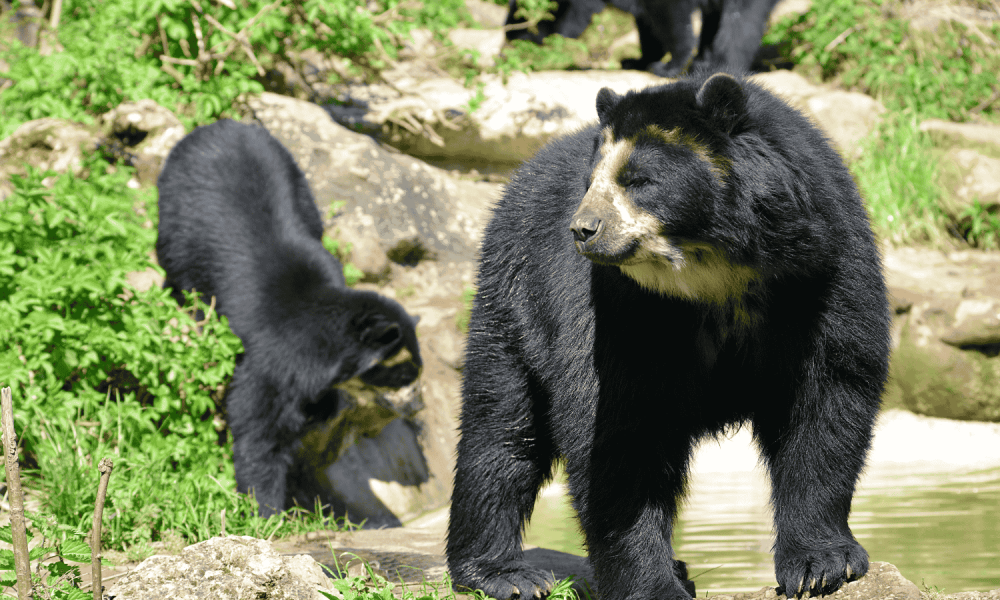
The spectacled bear, also known as the Andean bear, is one of the most emblematic animals of the Andes, famous for its distinctive gaze and its crucial role in the preservation of the ecosystem. Considered an “architect of the forests,” bears in Machu Picchu contribute to the regeneration of the natural environment. If you are wondering if you can spot a spectacled bear in Machu Picchu, a hotel in Cusco is the perfect starting point for exploring the Andean biodiversity and the region’s rich fauna.
Can I see spectacled bears in Machu Picchu?
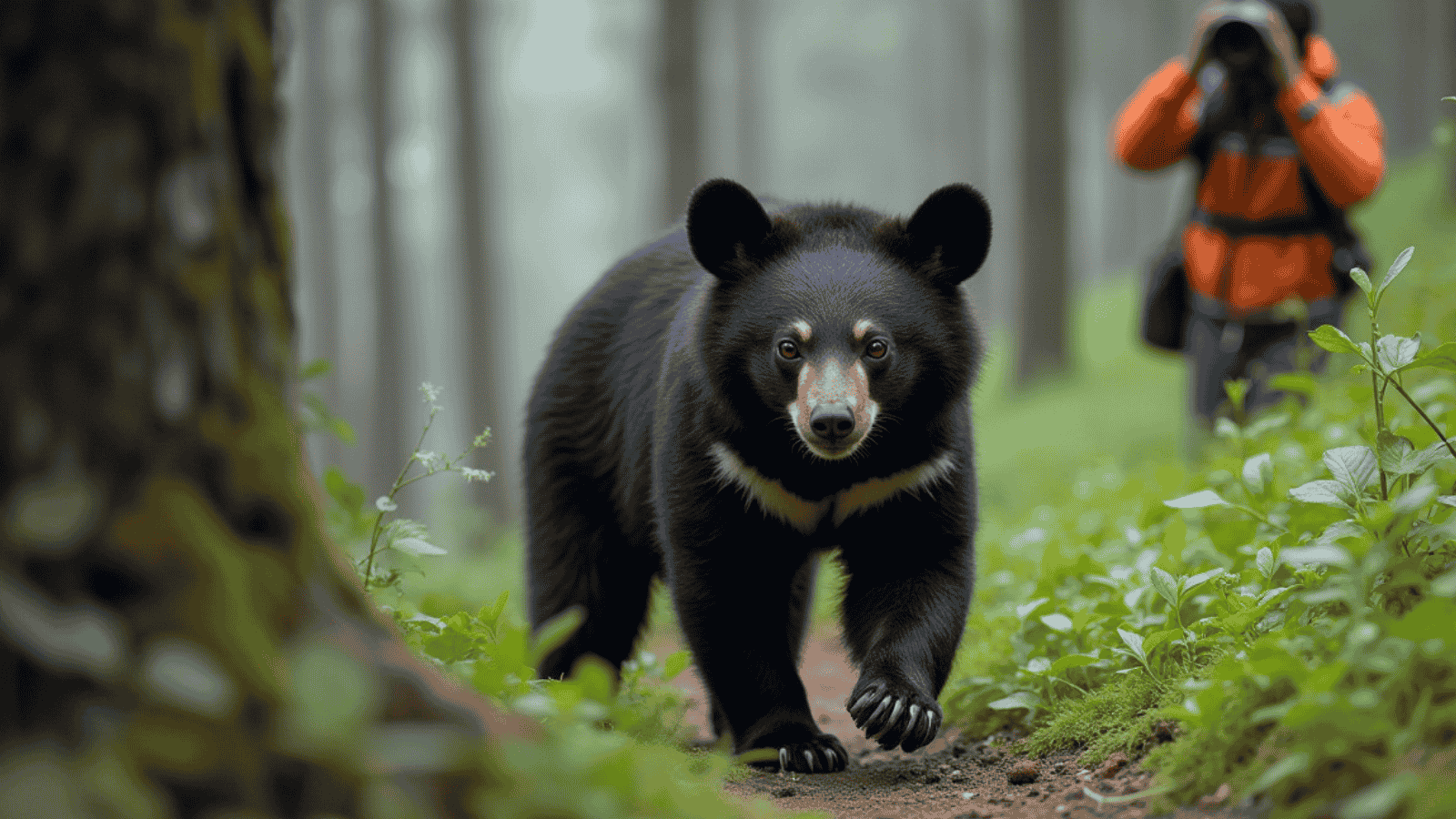
The presence of the Andean bear in the Machu Picchu region
Machu Picchu, one of the seven wonders of the world, is known for its stunning natural beauty and historical significance. This ancient Inca city is located deep in the high jungle of the Andes, a region that serves as home to a rich biodiversity. Among the animals that inhabit the area, the spectacled bear stands out for its unique adaptation to this mountainous environment.
The Andean bear is native to the mountainous regions of South America, from Venezuela to Argentina, and its natural habitat encompasses areas of rainforest and cloud forest. Machu Picchu is located within the Andes mountain range, so although it is not a place where spectacled bears are commonly spotted on the most popular tourist routes, some of them do inhabit the surrounding areas, such as the vicinity of the Historic Machu Picchu National Park and nearby areas such as the Manu Biosphere Reserve.
Where is it most likely to spot an Andean bear near Machu Picchu?
Although it is a rare experience, the possibility of seeing bears in Machu Picchu does exist, especially in the cloud forest areas surrounding the region. Sightings are more frequent in less crowded areas, such as the Manu Biosphere Reserve or the Río Abiseo National Park, known for their rich biodiversity. The Inca Trail also passes through these forests, offering an opportunity to observe these bears, although, due to their solitary nature, spotting them requires patience and luck. For travelers interested in this experience, staying at a hotel in Cusco is an excellent option for exploring nearby routes and enjoying the local wildlife.
The Spectacled Bear: An Endangered Species
Causes of the threat to the Andean bear in the Andes
The Andean bear is a vulnerable species that is in danger of extinction, mainly due to the loss of its natural habitat. The expansion of agriculture and mining in the Andes has fragmented the forests, forcing the bears to move to areas closer to humans. In addition, animal trafficking and poaching are constant threats to their survival. Popular beliefs about the medicinal properties of bear parts, such as its claws, continue to be a risk factor.
Conservation efforts to protect the Andean bear
In response to the critical situation of the Andean bear, various conservation initiatives have been implemented at both the local and international levels. In Peru, the National Andean Bear Conservation Plan has been created, which seeks to protect its habitat through the creation of protected natural areas and awareness-raising activities in local communities. The protection of Machu Picchu and its surroundings has played a fundamental role in these efforts, as the area offers refuge to the local fauna and is under constant surveillance.
Ecotourism has also emerged as a key strategy for conservation. Responsible and sustainable tourism can generate income that goes directly to conservation programs, which in turn helps protect the Andean bear.
What Do You Need to Know Before Going in Search of a Spectacled Bear in Machu Picchu?

Recommendations for travelers looking to spot the Andean bear
If you are planning a trip to Machu Picchu in the hope of seeing the spectacled bear, it is important to bear in mind a few recommendations:
- Avoid the crowds: Andean bears are elusive animals, so the chance of seeing them increases if you stay away from the busiest tourist routes.
- Hire local guides: Specialized ecotourism guides are well-versed in the routes where sightings are most likely and can offer you an environmentally-friendly experience.
- Bring binoculars and a camera: Although encounters are rare, it is advisable to be prepared to capture memories of this impressive animal.
The importance of respecting the Machu Picchu ecosystem during sightings
It is crucial that travelers respect the Machu Picchu ecosystem and follow the established rules so as not to disturb the animals that inhabit the area. Avoid excessive noise, littering and the use of products that may pollute the natural environment.
The Wildlife of Machu Picchu: Other Animals You Can See in the Area
The most common animals in Machu Picchu besides the spectacled bear
Although the spectacled bear is one of the most emblematic animals, Machu Picchu is home to a wide variety of fauna, such as the giant hummingbird and the Andean tapir. These animals, like the bear, play vital roles in the region’s ecosystem.
The biodiversity of Machu Picchu’s natural environment and its conservation
The biodiversity of Machu Picchu is one of the region’s greatest attractions. Efforts to preserve both the flora and fauna of the area are essential to ensure that this natural wonder continues to be a refuge for native species.
How to contribute to the conservation of the spectacled bear and its habitat
Conservation initiatives in and around the Machu Picchu region
In the Machu Picchu region, several NGOs and government agencies are working to protect the spectacled bear by creating biological corridors and promoting sustainable agricultural practices. The active participation of local communities in these efforts is crucial.
The role of tourists in the protection of spectacled bears
Tourists also have a role to play in the conservation of the Andean bear. By choosing responsible ecotourism and supporting local initiatives, visitors can contribute directly to the protection of this endangered animal.
Conclusion
The conservation of the Andean bear is not only crucial for the preservation of this unique species, but also for maintaining the ecological balance of the Andean region. Every effort to protect it has a positive impact on the biodiversity of the Andes, guaranteeing the survival of a network of species and ecosystems vital to the region. After exploring the natural beauty and wildlife of Machu Picchu, many visitors choose to rest in the hotels in Cusco Peru, where they can reflect on the importance of conservation while enjoying the local culture.