
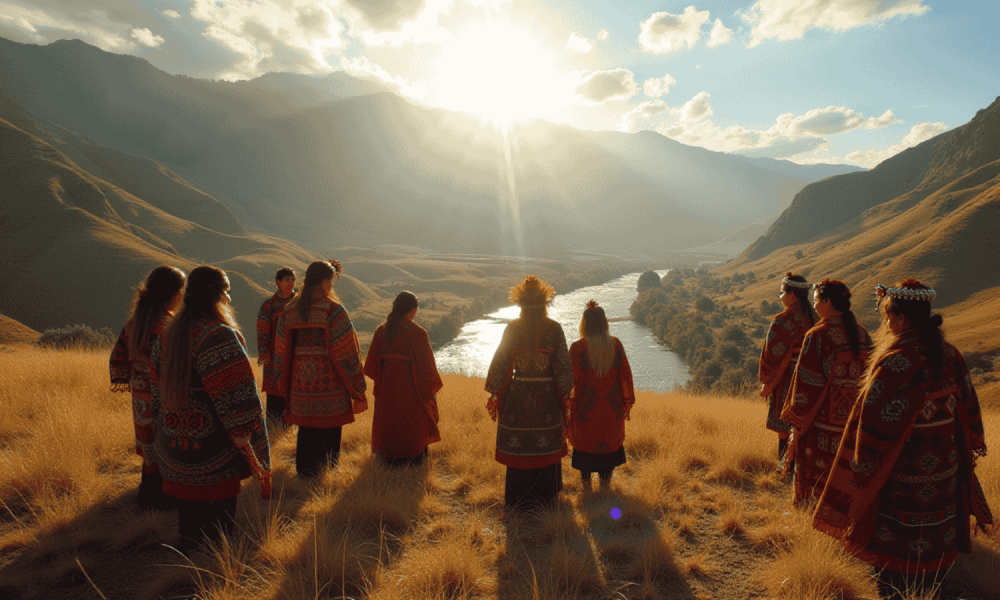
The Andean worldview is a deep cultural heritage that reveals the spiritual and natural connection of the Andean peoples with the earth and the cosmos. This worldview, which continues to influence the daily life of the communities of Cusco, is reflected in their customs, rituals and their relationship with the environment. If you want to delve into this rich tradition, Cusco is the ideal place to do so. By staying at a hotel in Cusco, you will not only enjoy the historical and architectural beauty of the city, but you will also have the opportunity to connect with the roots of the Andean worldview, while exploring its landscapes and living traditions.
What is the Sacred Valley of the Incas?
History and origin of the Sacred Valley of the Incas
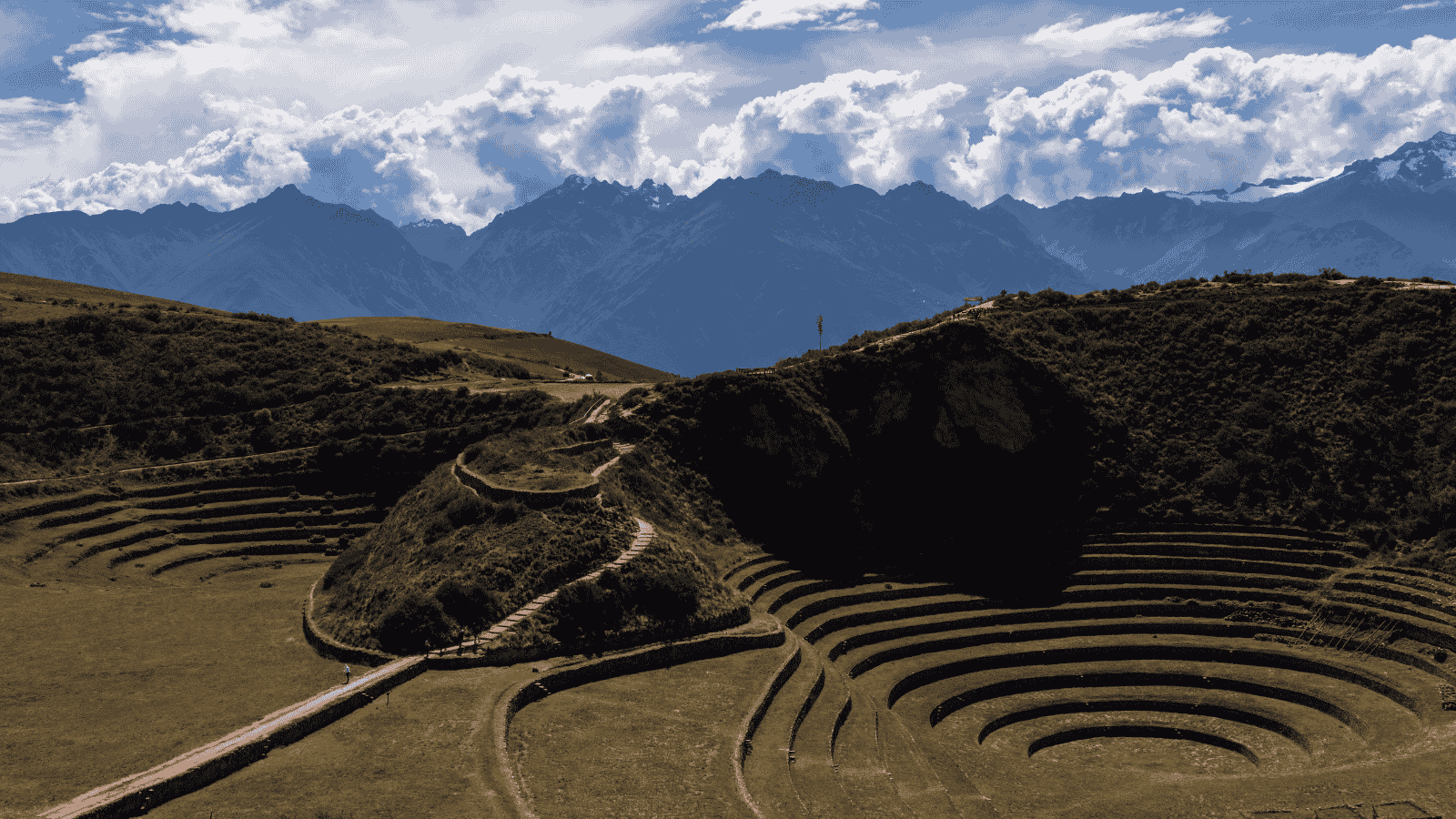
The Sacred Valley of the Incas, also known as the “Urubamba Valley”, is located in the Andean region of Peru. Throughout history, this valley has been a sacred place for indigenous peoples, especially for the Incas, who used it as an agricultural, religious and political center of great importance.
The history of the Sacred Valley dates back centuries before the arrival of the Spanish, when the Incas began to expand their empire. This valley was considered a privileged place due to its temperate climate and fertility, which made it the breadbasket of the empire. Today, the valley remains an invaluable source of cultural and natural heritage.
Location and geography of the Sacred Valley
The Sacred Valley is located in the region of Cusco, some 15 kilometers north of the city of Cusco, and extends along the Vilcanota River. With an altitude that varies between 2,000 and 3,000 meters above sea level, the valley is surrounded by impressive mountains and rock formations that make it a unique landscape of indescribable beauty.
This valley has been a key place both in the history of the Inca culture and in the nature that sustains the life and traditions of the people who still inhabit the region.
The Inca Culture: A Living Legacy
Main beliefs of the Inca culture
The Inca culture was based on a deep Andean worldview that integrated nature and the sacred elements into everyday life. The Incas believed in Inti (the sun god), Pachamama (mother earth) and Viracocha (the creator). These gods were at the center of their religious beliefs and practices, and their principles governed the actions of the Inca people. For the Incas, everything in nature had a divine purpose, and their relationship with the environment was based on respect and veneration.
Impact of the Andean worldview on everyday life
The Andean worldview not only affected religious beliefs, but also the way in which the Incas organized their society and their activities. This belief system was deeply related to the seasons, agricultural crops and natural cycles. The religious ceremonies and festivities that were celebrated in the Sacred Valley, such as the Inti Raymi (the Festival of the Sun), were designed to pay homage to the gods and maintain the balance between the earthly world and the divine world.
Exploring the Sacred Valley: Places not to be missed
Machu Picchu: The heart of the Sacred Valley
Machu Picchu is, without a doubt, the most emblematic place in the Sacred Valley of the Incas. This ancient Inca citadel, located on top of a mountain, is one of the seven wonders of the modern world. Built in the 15th century, Machu Picchu was a religious sanctuary, a royal residence and a cultural center of great importance. After exploring this incredible site, many travelers choose to return to Cusco, where a hotel Cusco offers them the perfect rest to reflect on their experience in this iconic place.
Ollantaytambo: The Refuge of the Incas
Ollantaytambo is another of the key points of the Sacred Valley. This ancient Inca fortress and citadel remains almost intact to this day, making it one of the best preserved in the region. Ollantaytambo was an important military and religious center, and is known for its gigantic stone terraces and temples that reflect the power of the Inca culture.
The Influence of the Vilcanota River on Inca Culture
The role of the Vilcanota in the Andean world view
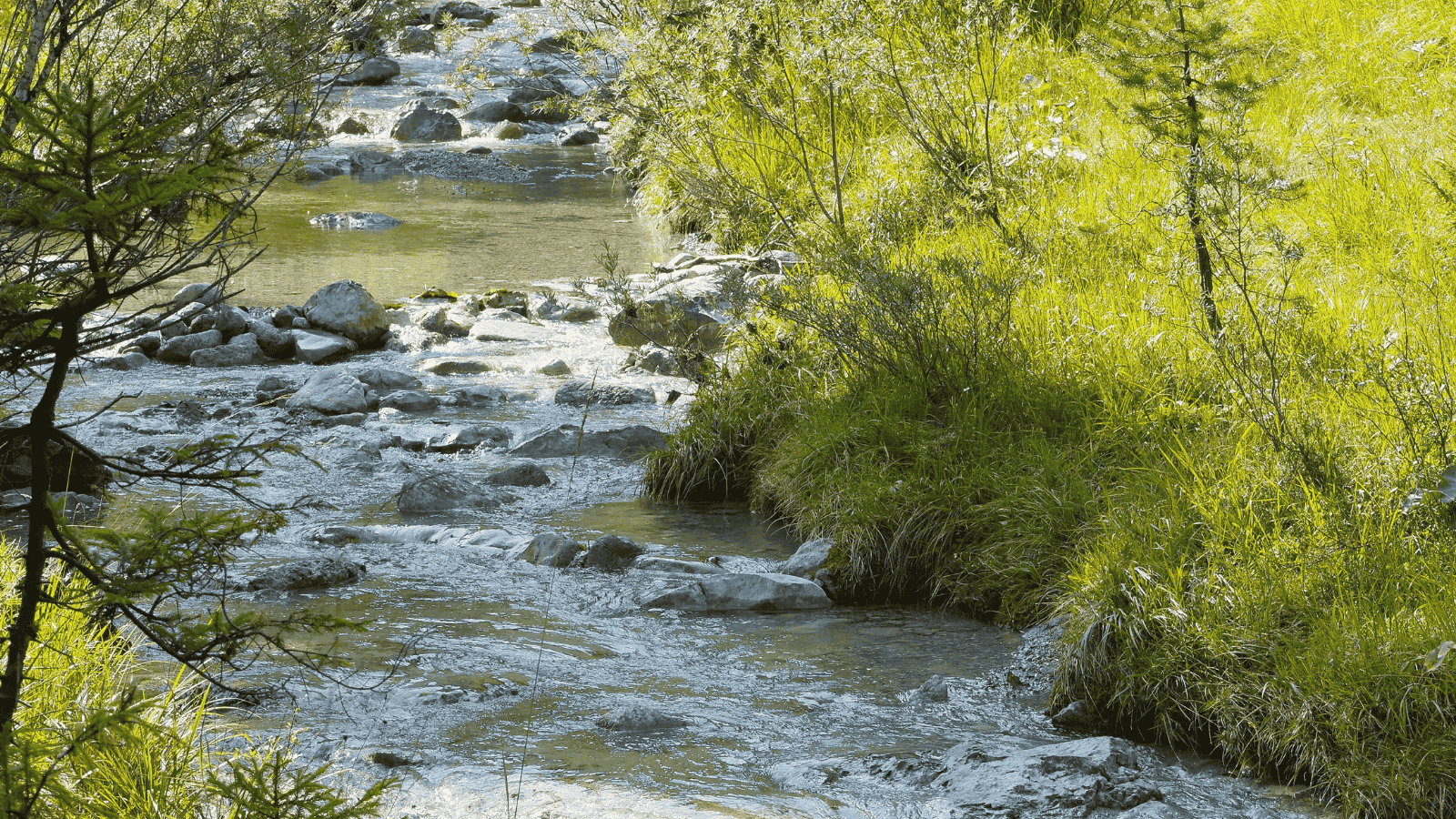
The Vilcanota River, which runs through the Sacred Valley, has a profound significance within the Andean worldview. This river is considered sacred and is associated with the god Vilca and with Pachamama. The Incas believed that rivers were channels of energy and life, and the location of the Vilcanota was crucial to the spiritual and material well-being of the Inca civilization.
Furthermore, the Vilcanota River was linked to Inca agriculture, as its waters irrigated the fields of corn, potatoes and other crops that sustained the population. Throughout the centuries, the people of the region have maintained an intimate and reverential relationship with this sacred river.
Access routes to the Vilcanota and its connection to the Valley
The Vilcanota not only flows through the Sacred Valley, but also connects with other access routes that facilitate passage between the main Inca cities and their ceremonial centers. In fact, the river has been a central axis of communication and transportation for Andean communities since pre-Inca times. Today, the access routes to the Vilcanota are still one of the main ways to connect with the heart of the Sacred Valley.
How to Live the Inca Experience in the Sacred Valley
Trekking and hiking in the Sacred Valley
The Sacred Valley is an ideal place for trekking and hiking. Among the most popular routes is the Inca Trail, which connects Machu Picchu with other archaeological sites. These routes allow travelers not only to enjoy breathtaking views, but also to experience up close the life that the Incas lived centuries ago.
Rituals and cultural activities to experience the Andean worldview
One of the best ways to immerse oneself in Inca culture is to participate in activities that follow the tradition of the Andean worldview. Ceremonies of gratitude to Pachamama, traditional dances and demonstrations of Andean agriculture are activities that allow visitors to connect with the spirituality and ancestral customs of the Inca people.
Conclusion
The Sacred Valley of the Incas is not just a tourist destination, but a sanctuary of history, culture and spirituality. From its stunning landscapes to its deep connection with the Andean worldview, this place remains a living testimony to the Inca civilization. By exploring its emblematic sites and immersing themselves in its traditions, visitors have the opportunity to live a unique and authentic experience. After a day of discovery, the hotels in Cusco Peru provide an ideal refuge to continue experiencing the magic of this ancestral corner of the world.