
Why Cusco’s Lagoons Are Must-Visit Destinations
Cusco is not only the land of the Incas and ancient temples — it’s also home to some of the most beautiful high-Andean lagoons in Peru. These crystal-clear bodies of water surrounded by mountains and snowcapped peaks offer the perfect setting for nature lovers, adventurers, and photographers alike.
The Cusco lagoons attract more than 250,000 visitors annually, according to Peru’s Ministry of Foreign Trade and Tourism (MINCETUR, 2025). Each lagoon offers a unique blend of natural beauty, tranquility, and cultural depth.
Staying at a hotel in the Sacred Valley is highly recommended for travelers who want to explore these lagoons at an easy pace, combining comfort with proximity to the main attractions of the region.









Humantay Lagoon: A Natural Wonder in the Andes
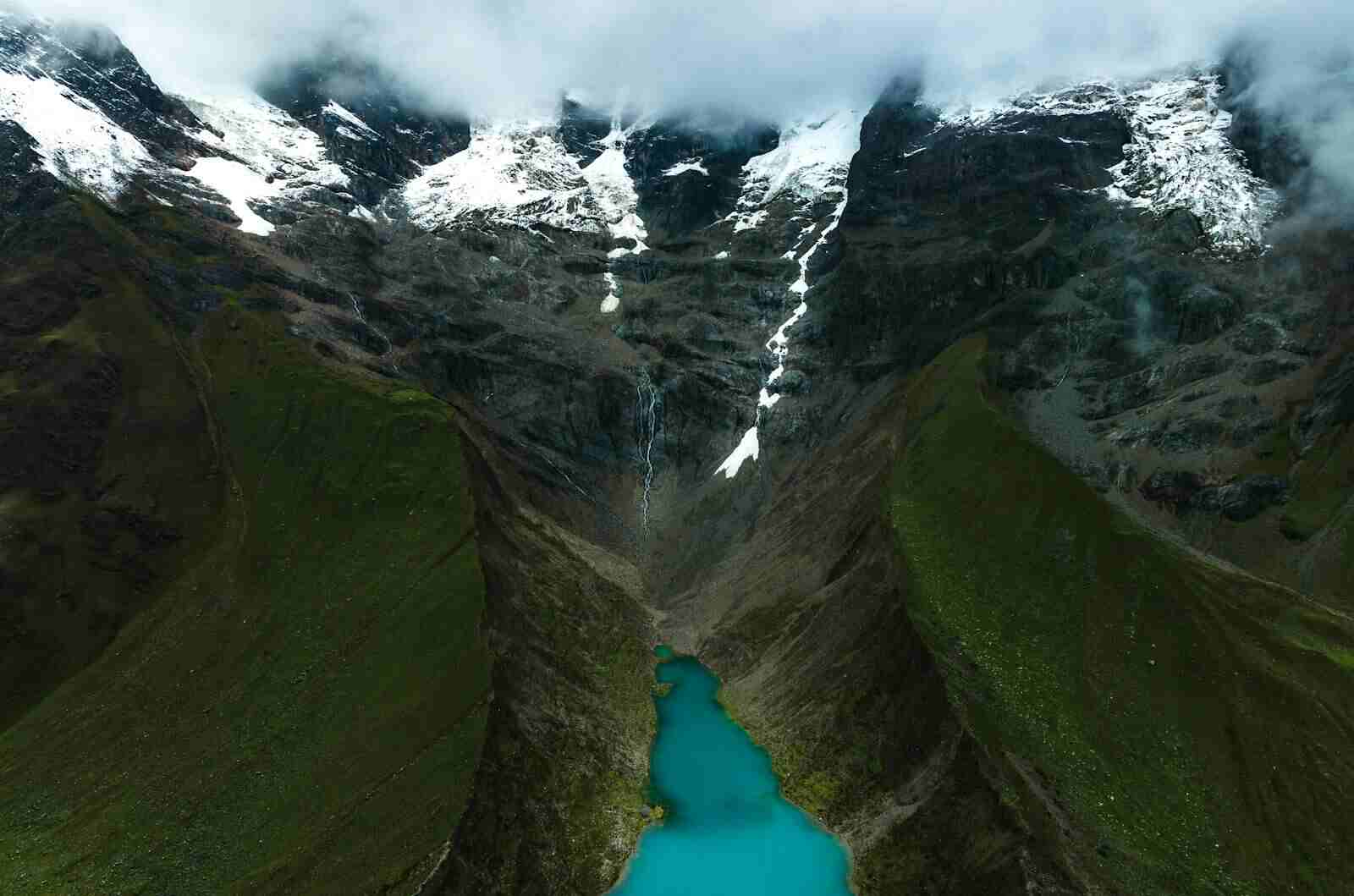
The Humantay Lagoon is perhaps the most famous lagoon in all of Cusco. Located at 4,200 meters above sea level, this turquoise gem is fed by the melting glaciers of Mount Humantay, part of the majestic Salkantay mountain range.
The journey begins in Soraypampa, about three hours from Cusco by vehicle. From there, a one-and-a-half-hour hike leads to the viewpoint overlooking the lagoon. The effort is well worth it: the breathtaking scenery, framed by snowcapped peaks, feels almost surreal.
By 2024, Humantay ranked among the top 10 most photographed natural attractions in Peru, according to PromPerú.
Visitors can also combine the hike with adventure activities in Cusco, such as horseback riding or the multi-day Salkantay Trek to Machu Picchu — a great option for thrill seekers and nature enthusiasts.
Huaypo and Piuray Lagoons: Adventure in the Sacred Valley
If you prefer a more accessible and peaceful destination, the Huaypo and Piuray Lagoons are excellent choices within the Sacred Valley of the Incas.
Huaypo Lagoon, located between Maras and Chinchero (just 45 minutes from Cusco), is ideal for quad biking, kayaking, or simply enjoying a lakeside picnic. Since 2023, it has seen a 30% increase in visitors thanks to the growing popularity of adventure tourism in the region.
Meanwhile, Piuray Lagoon, near Chinchero, holds deep historical significance — it supplied water to the city of Cusco during the Inca Empire. Today, it’s a serene spot for paddleboarding, yoga sessions, or watching the golden Andean sunset.
Both are must-visit lagoons for travelers looking to combine natural beauty with cultural immersion and relaxation.
Pomacanchi Lagoon and the Four-Lagoon Circuit
South of Cusco, about two hours by car, lies the famous Four-Lagoon Circuit, which connects Pomacanchi, Acopia, Asnaqocha, and Pampamarca.
This route showcases the diversity of the Andean landscape, where each lagoon tells a different story. The Pomacanchi Lagoon, the largest of the four, is known for its vibrant biodiversity — over 50 species of birds can be spotted here, including herons, ducks, and grebes.
Along the way, you’ll encounter local communities that practice artisanal fishing and trout farming, offering an authentic look at Andean life. Since 2024, this circuit has been part of Peru’s Community-Based Tourism Program, promoted by the Ministry of Environment (MINAM) as a sustainable travel initiative.
Activities to Enjoy at Cusco’s Lagoons
Exploring a Cusco lagoon isn’t just about admiring the scenery — it’s about experiencing the adventure and serenity these natural wonders offer. Here are the top activities in Cusco that you can enjoy around its lagoons:
- Kayaking and paddleboarding: Available at Huaypo and Piuray, perfect for peaceful moments on the water.
- Eco-hiking: Enjoy scenic trails and capture panoramic views of the Andes.
- Horseback riding or quad biking: Fun and scenic options to explore the Sacred Valley.
- Birdwatching: Especially rewarding in Pomacanchi and Asnaqocha, where over 70 migratory species have been recorded.
- Ausangate’s Seven Lagoons Trek: A full-day adventure with colorful lagoons, snowcapped peaks, and the chance to relax in natural hot springs at Pacchanta.
According to the Cusco Tourism Observatory, sustainable and adventure travel grew by 22% in 2024, driven by travelers seeking authentic and eco-friendly experiences in the Andes.

Tips for Visiting Cusco’s Lagoons
To make your trip as smooth and enjoyable as possible, keep these updated 2025 travel tips in mind:
- Altitude: Many lagoons sit above 3,800 meters (12,400 ft). Spend one or two days acclimatizing in Cusco or the Sacred Valley before hiking.
- Best time to visit: From April to November (dry season). During the rainy season (December to March), access may be limited.
- Clothing: Wear layered, warm, and waterproof clothing. Don’t forget sunscreen, a hat, and plenty of water.
- Tour safety: Choose licensed tour operators registered with DIRCETUR Cusco.
- Respect nature: Avoid littering, don’t feed wildlife, and support local communities by purchasing their crafts or services.
These practices align with the Peru National Tourism Plan 2025, which promotes responsible travel and environmental awareness among visitors.
Conclusion: Nature, Culture, and Adventure in One Journey
Exploring the lagoons to visit in Cusco is an unforgettable way to experience the region’s natural and cultural wealth. Each lagoon — from the turquoise beauty of Humantay to the quiet mirror of Piuray and the rural charm of Pomacanchi — reveals a different facet of the Andes.
Whether you’re an adventurer, a photographer, or simply someone seeking peace, Cusco’s lagoons will captivate you with their harmony and energy.
To make the most of your trip, be sure to book a hotel in the Sacred Valley, the perfect base for discovering these hidden gems surrounded by mountains, culture, and pure Andean air.