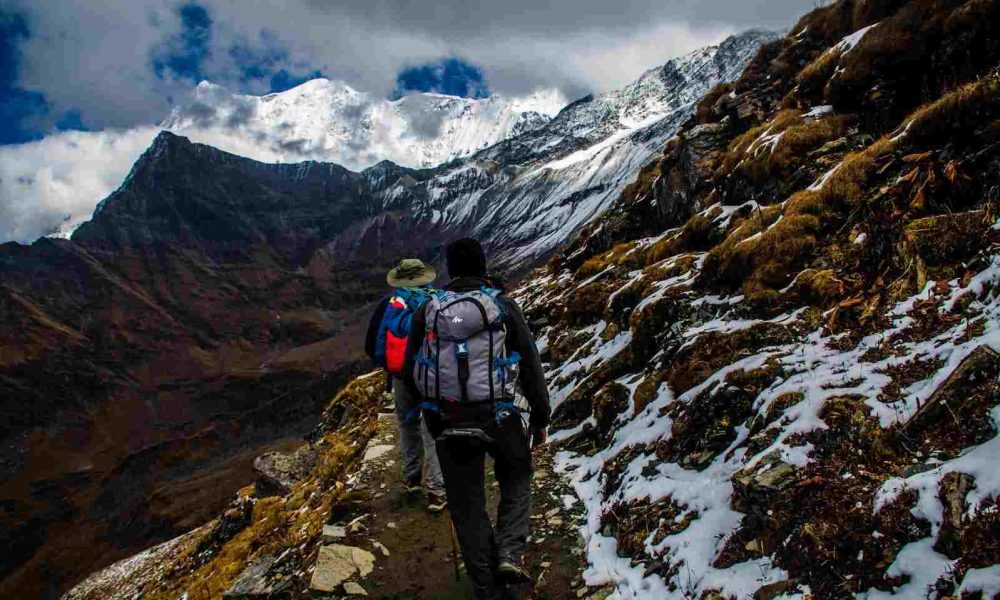
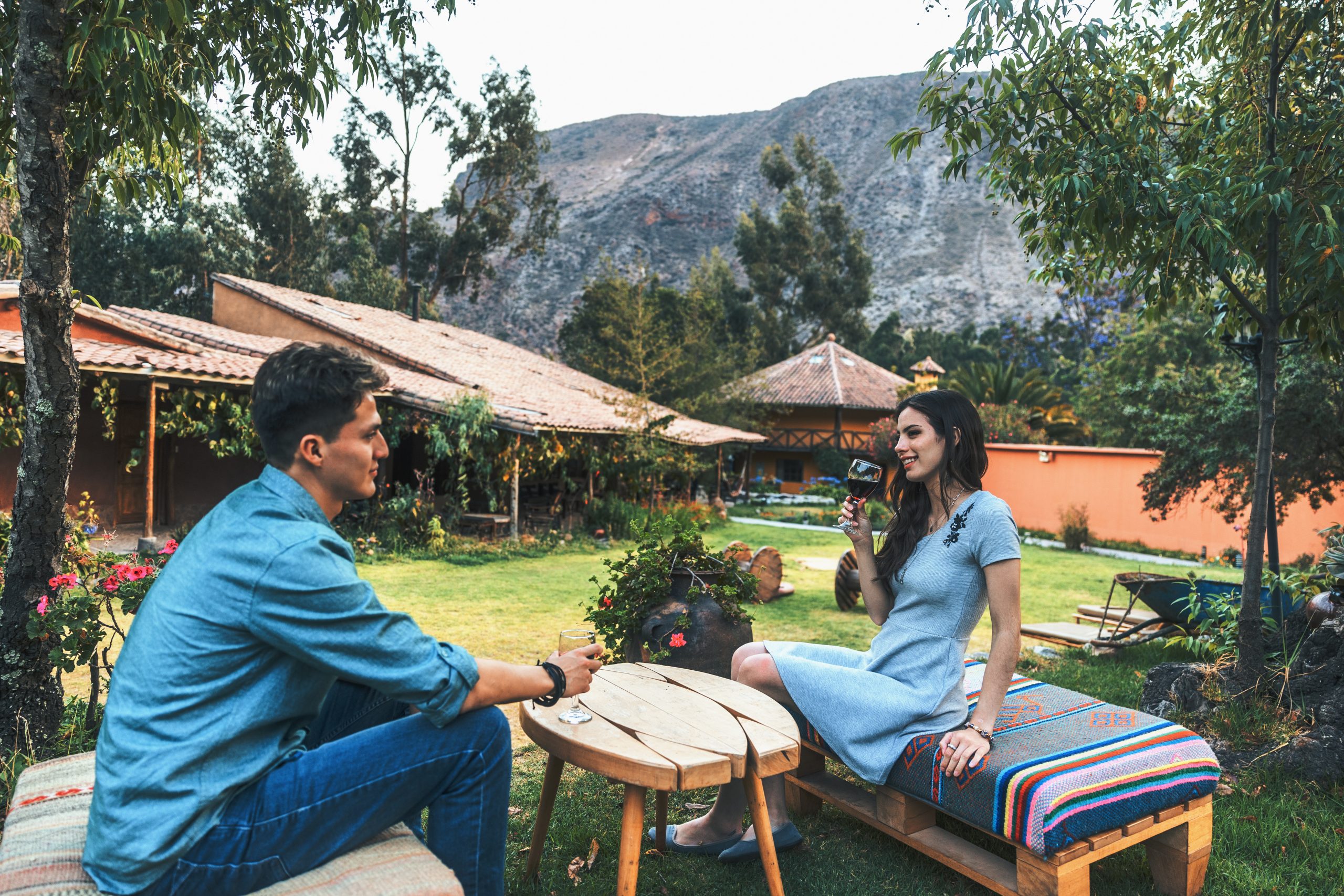
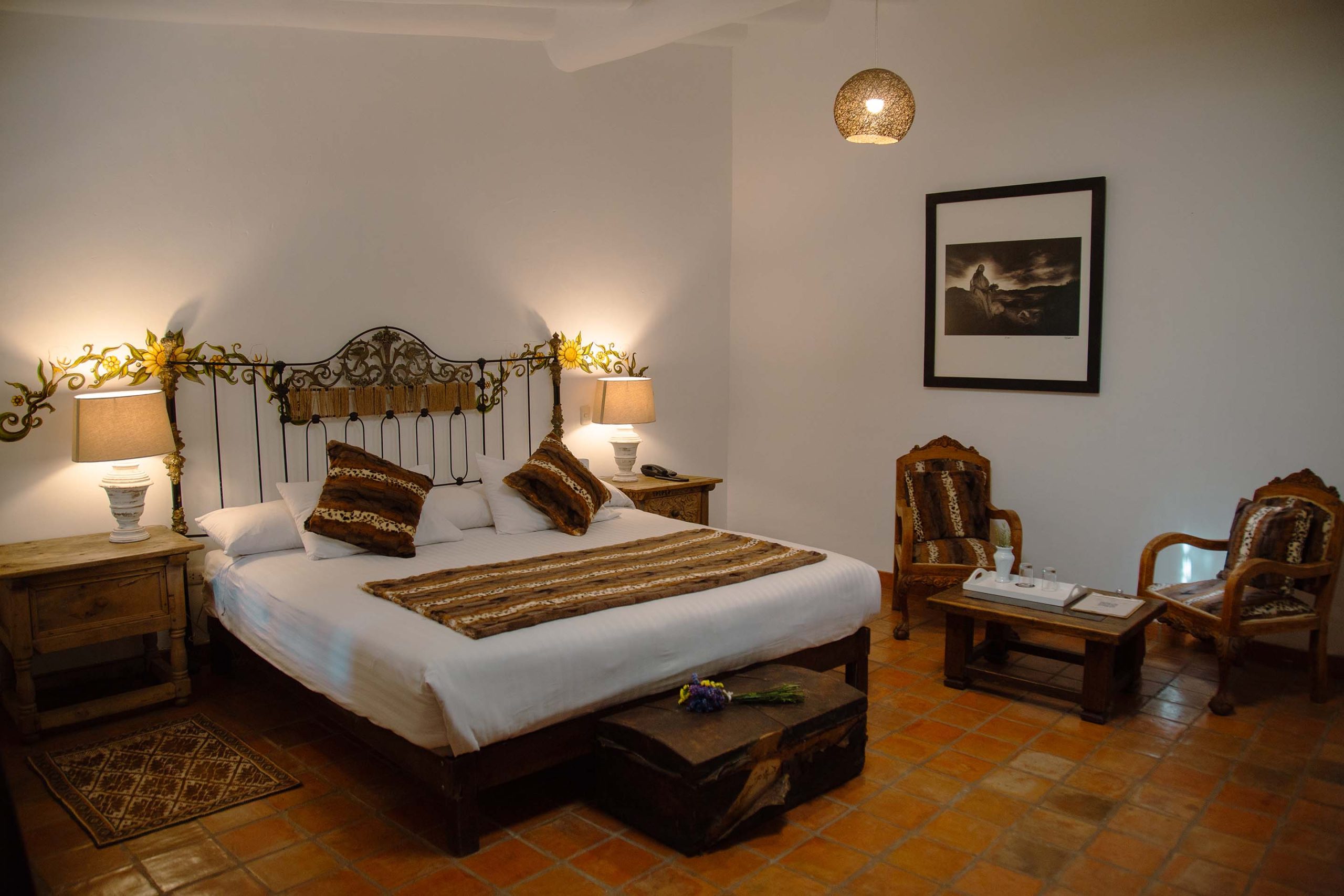
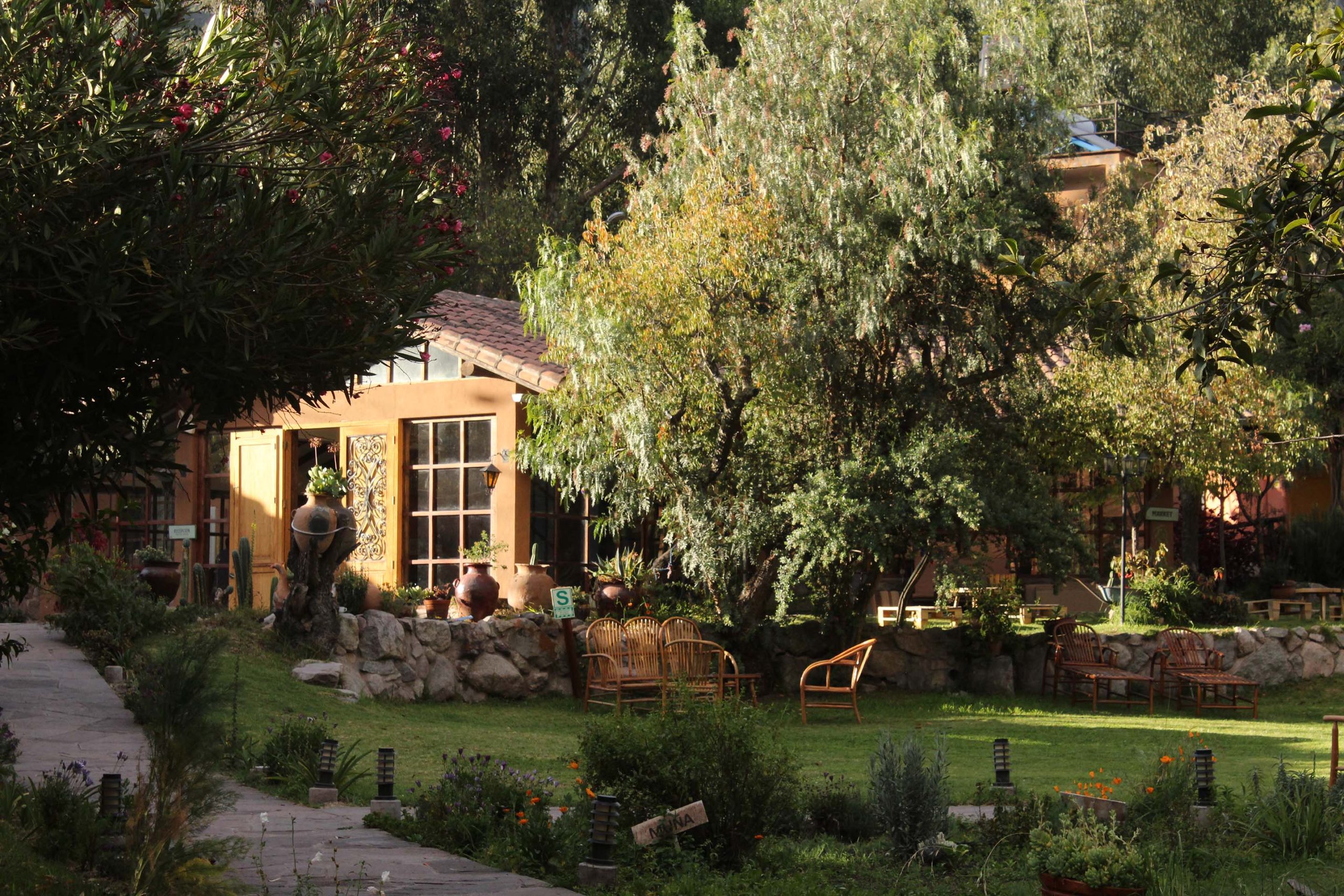
Exploring breathtaking landscapes, connecting with nature, and living unique experiences are some of the reasons that attract thousands of travelers to Cusco every year. However, many still wonder what the difference is between trekking and hiking, what hiking really means, or which are the best places to go trekking in Cusco. In this complete guide, we give you all the answers. And if you are planning your trip, don’t forget to consider staying at a hotel in the Sacred Valley to enjoy the perfect mountain retreat before or after your adventure.



Trekking: Definition and Main Features
Trekking is a physical and recreational activity that consists of walking long distances, usually in mountainous areas, valleys, or less-traveled rural regions. Unlike a simple walk, trekking often involves several hours or even days of hiking, crossing irregular terrain, and facing demanding ascents and descents.
Its main features include prolonged duration, the possibility of exploring natural routes far from civilization, cultural encounters with local communities, and the need for some physical preparation to safely face the challenge.
Hiking: What It Is and How It Differs from Trekking
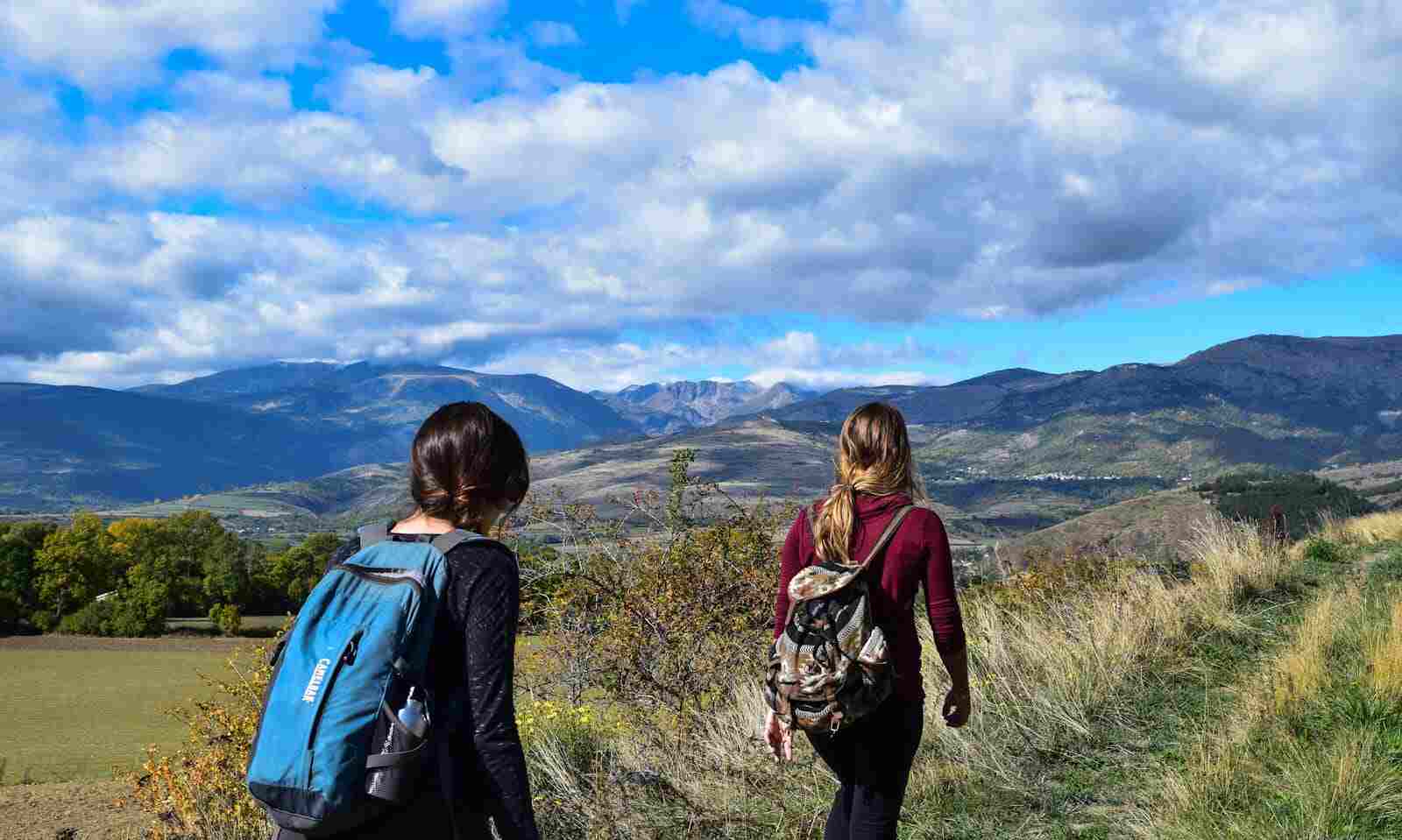
The term hiking comes from English and is mainly used in North America to describe walks along marked trails with lower levels of difficulty. Although it is often confused with trekking, the difference is clear: hiking is shorter, more accessible, and usually doesn’t require camping or overnight stays.
In short, hiking is ideal for those who want a relaxed walk with less physical demand, while trekking is for those seeking a multi-day adventure with more challenging routes and remote natural settings.
Trekking vs. Senderismo: A Complete Comparison
In Spanish, senderismo is the closest term to hiking, but with some nuances. While senderismo is usually practiced on prepared trails and within a single day, trekking combines adventure, immersion in nature, and greater physical endurance.
Senderismo is more accessible and family-friendly, whereas trekking requires more preparation and specialized equipment, as it may involve overnight stays, altitude changes, and less-traveled routes.
Benefits of Trekking in Nature
Trekking is not only a physical activity but also a transformative experience. Its main benefits include:
Improves physical health: strengthens the cardiovascular system, endurance, and muscles.
Reduces stress and anxiety: contact with nature is a powerful mental relaxant.
Cultural and spiritual connection: many routes cross communities with ancestral traditions.
Sustainable tourism: promotes respect for the environment and local communities.
Best Trekking Routes in Cusco: Recommendations
If you’re looking for trekking routes in Cusco, here are some of the most iconic:
The Inca Trail to Machu Picchu, combining history with stunning landscapes.
The Salkantay Trek, a less crowded but equally impressive alternative.
The Lares Trek, which passes through Andean villages and crystal-clear lagoons.
The Ausangate Trek, perfect for adventurers seeking high-mountain challenges.
Before setting off, plan your trip carefully and consider booking a hotel in the Sacred Valley to rest comfortably before and after your hike.
Tips for Trekking and Hiking Beginners
For beginners, it’s best to start with short routes and gradually increase the difficulty. Staying hydrated, carrying energy-boosting snacks, checking the weather before heading out, and, if possible, walking in groups or hiring a local guide are essential for safety.
Best Time to Go Trekking in Cusco
The dry season, from May to September, is the best time for trekking in Cusco. The weather is more stable, with sunny days and trails in better condition. On the other hand, the rainy season, from November to March, can make access to some routes difficult and the terrain slippery.
Essential Gear for Trekking and Hiking in the Mountains
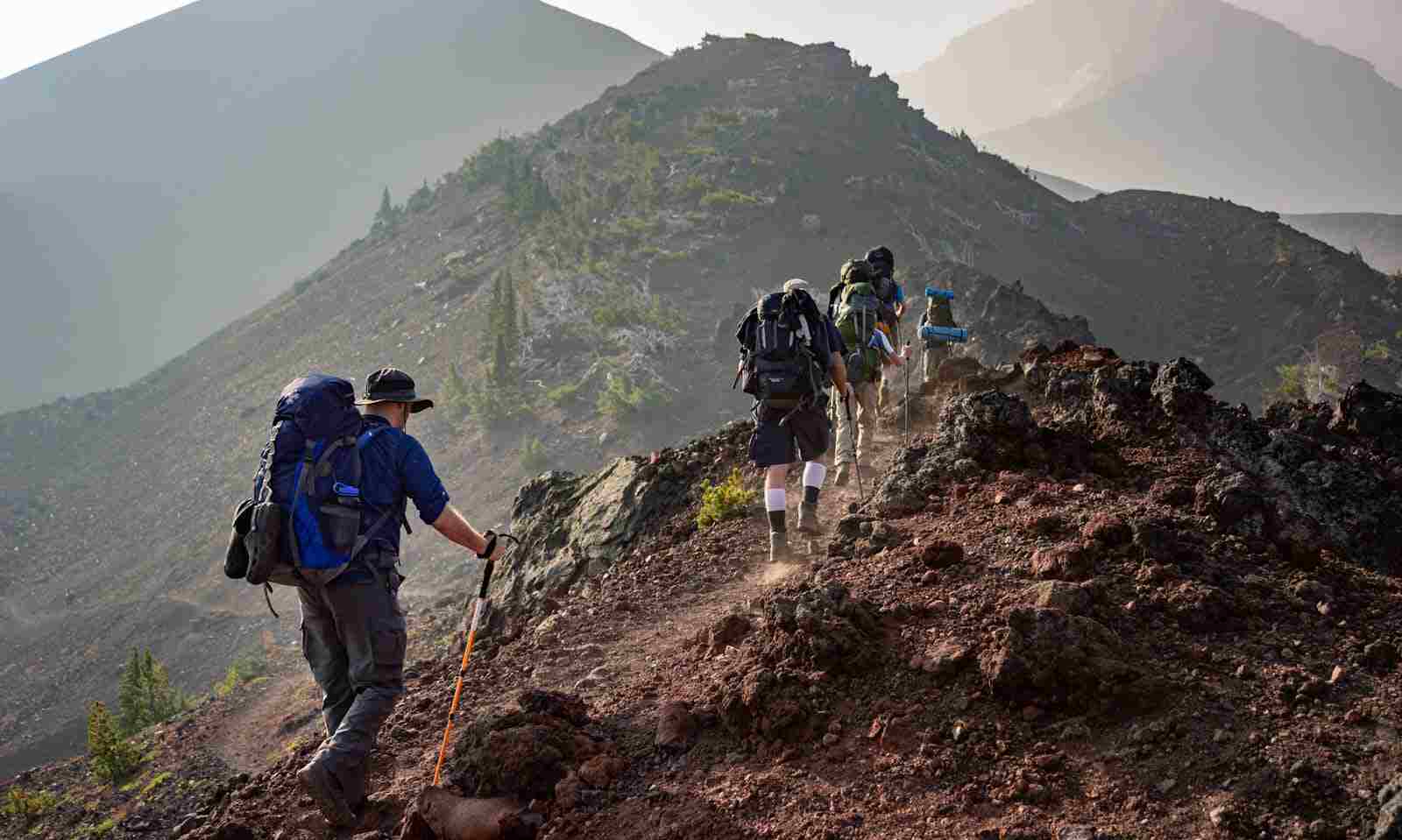
To ensure a safe and comfortable experience, your basic gear should include a sturdy backpack, waterproof hiking boots, thermal clothing and windbreakers, trekking poles, a headlamp, and a small first aid kit.
Safety and Preparation Before Trekking in Cusco
Altitude is one of the main factors to consider. Spend at least two days acclimatizing in Cusco or the Sacred Valley before tackling demanding routes. Also, always respect the environment, avoid leaving trash, and follow the recommendations of local guides or official agencies—especially on routes like the Inca Trail, which requires a special permit.
The difference between trekking and hiking lies in their duration, difficulty, and the type of experience they offer. While hiking is more relaxed and accessible, trekking provides a deeper connection with nature and local culture. Cusco, with its legendary mountains and trails, is the perfect destination for both activities.
If you’re already planning your trip, don’t forget to book a hotel in the Sacred Valley to relax before and after one of the most unforgettable adventures of your life.