
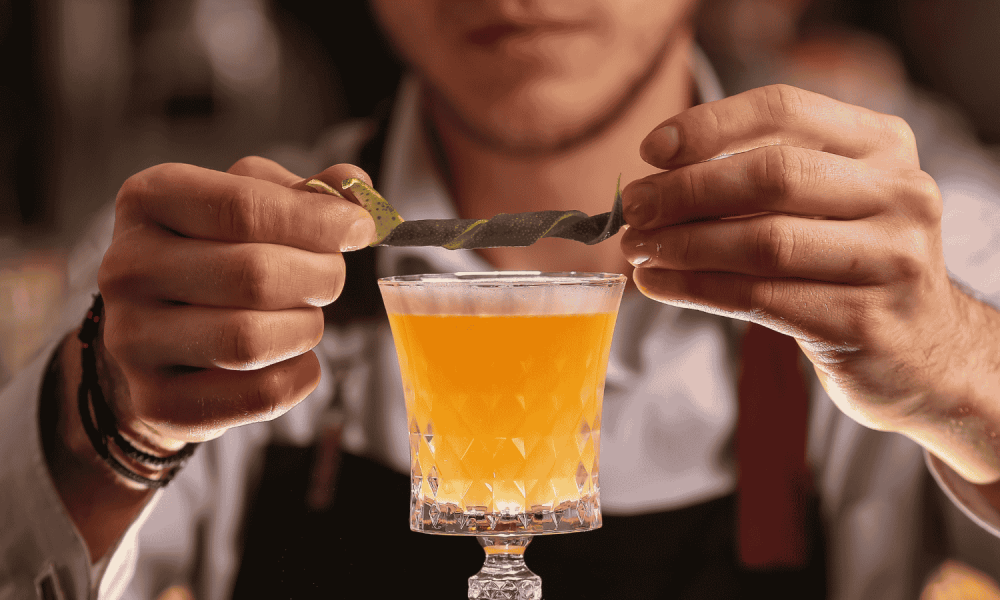
Chicha de jora is a traditional drink from the Andes, especially popular in Peru, offering a unique blend of flavor and culture, perfect for any celebration. If you are planning to visit Cusco, staying at a hotel in the Sacred Valley will allow you to not only enjoy this ancient drink, but also immerse yourself in an authentic local experience.
In this article, we will discover what chicha de jora is, how it is made, and what place it occupies in the region’s festivities, inviting you to live an experience full of tradition and flavor.
What is chicha de jora?
Chicha de jora is a traditional alcoholic beverage native to the Andean regions of Peru, obtained by fermenting corn (jora). This drink has a long history and was used by the ancient Incas as a way to pay homage to the gods, especially during religious festivities and harvest ceremonies.
Despite being a fermented product, chicha de jora is not as strong as other alcoholic beverages. Its flavor is sweet and smooth, with a slight acidity derived from natural fermentation, making it perfect to accompany various foods or enjoy in good company during celebrations.
Characteristics of chicha de jora
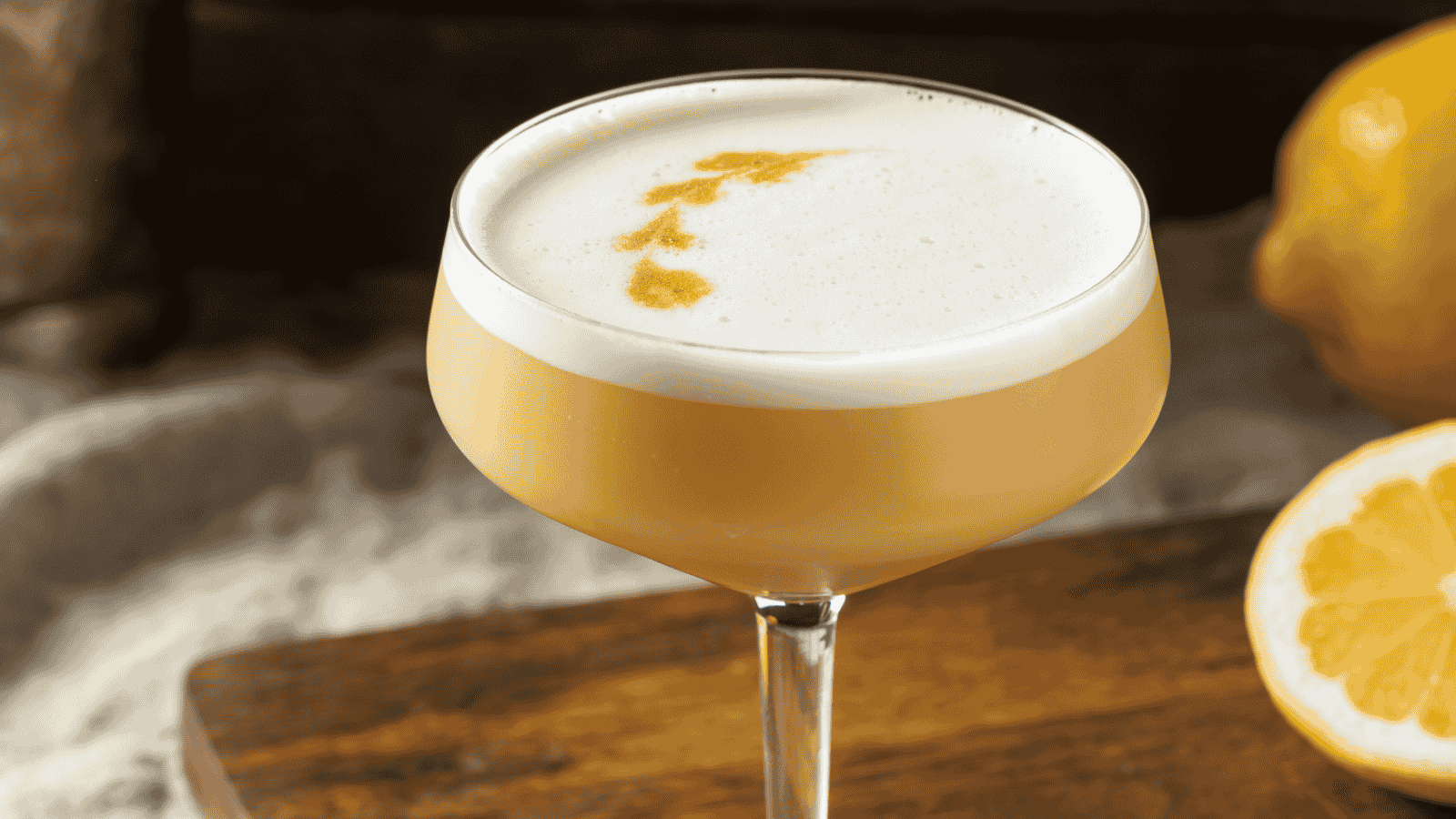
Chicha de jora is characterized by its unique flavor, which can vary depending on the fermentation time and additional ingredients used. Some of the main characteristics of this drink are:
- Color: Usually light yellow or golden in color, although some types of chicha may have a darker hue, depending on the variety of corn and the fermentation process.
- Flavor: It has a slightly sweet taste with a hint of acidity due to fermentation, making it a refreshing and unique drink.
- Alcohol: Although it is a fermented drink, its alcohol content varies depending on the fermentation time and the amount of jora used. It generally has a low alcohol content, which allows it to be consumed for long hours during festivities without causing intense intoxication.
- Texture: Its consistency is liquid, but it can be somewhat thick due to the presence of sugars from the corn and the natural yeast used in its preparation.
Chicha de jora production process
The process of making chicha de jora is an art that has been passed down from generation to generation. Although there are variations in the recipe depending on the region, the main ingredients remain the same: corn, water, and sugar. The general production process includes the following steps:
- Corn selection: Jora corn is selected, which is a type of pre-Hispanic corn that has been previously fermented to develop the sugars that will lead to fermentation.
- Grinding: The corn is ground to obtain a paste that is mixed with water and sugar. Some versions may include fruits or herbs to give it a special touch.
- Fermentation: The mixture is left to ferment for several days. During this time, natural microorganisms in the corn and sugar convert the starches into alcohol, giving chicha de jora its characteristic flavor.
- Filtering: After fermentation, the drink is filtered to remove any remaining corn and other impurities, leaving only the fermented liquid ready for consumption.
- Cooling and consumption: Finally, chicha de jora is cooled and served, usually in jugs or large glasses, and enjoyed during festivities.
The role of chicha de jora in Andean celebrations
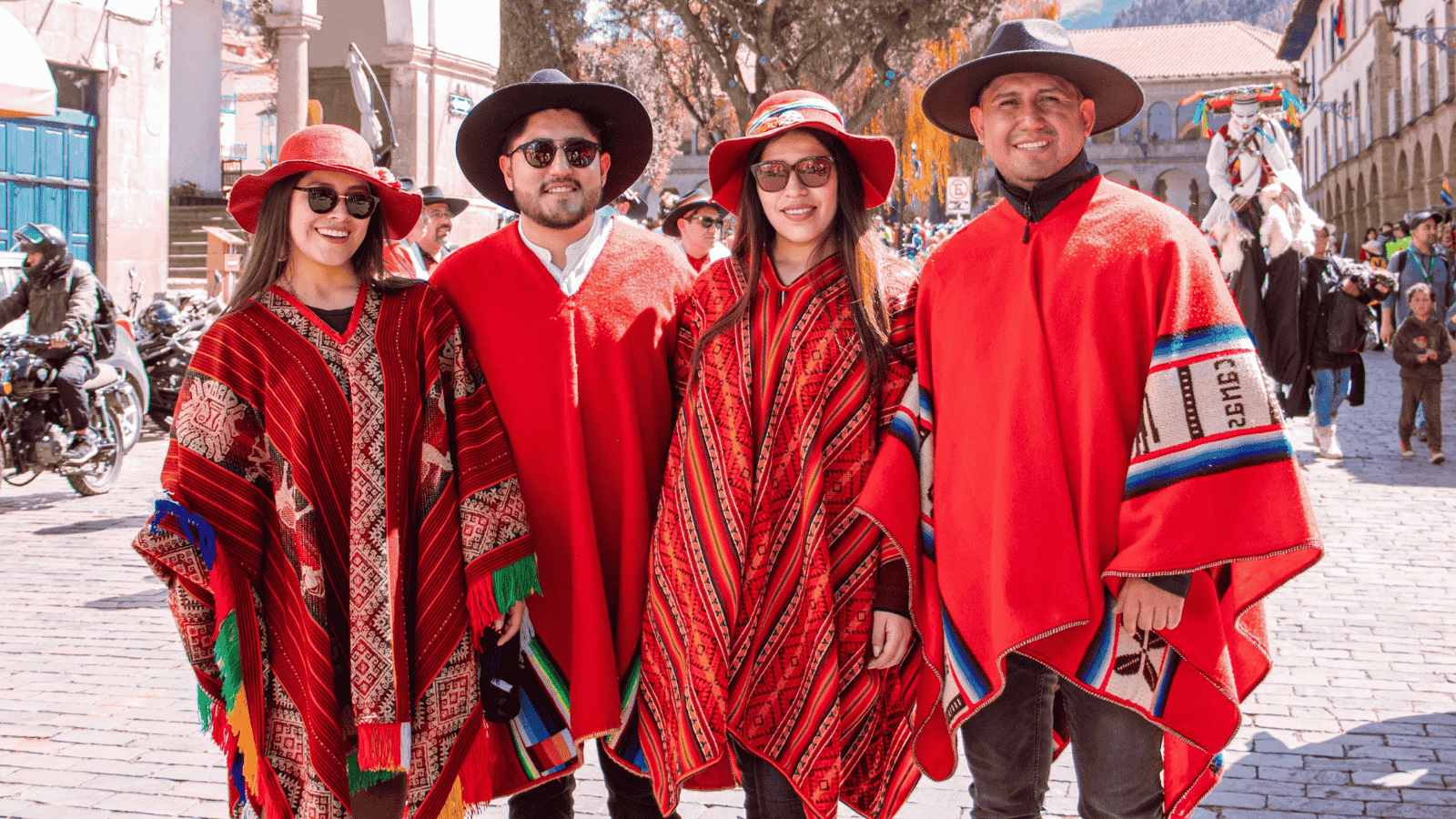
Chicha de jora is an emblematic drink in Andean celebrations, especially in Cusco, where it plays a fundamental role in a variety of festivities. In Peru, it is common to offer it during patron saint festivals, harvest celebrations, and other important events that mark the region’s cultural calendar. In addition, chicha de jora is a key element in religious ceremonies, such as offerings to Pachamama (Mother Earth) and rituals of thanksgiving for the harvest, where it is used as a symbol of respect and connection to the earth.
However, chicha de jora is much more than a drink; it is a means of strengthening social and spiritual ties. In many communities, offering it to visitors is an act of deep hospitality, inviting them to share and celebrate together. This tradition highlights the importance of family and community unity, making it a symbol of coexistence and gratitude.
If you want to experience this tradition up close and immerse yourself in authentic Andean culture, staying at a hotel in Cusco will allow you to enjoy chicha de jora and other local customs in their most authentic form.
5 Myths and curiosities about chicha de jora
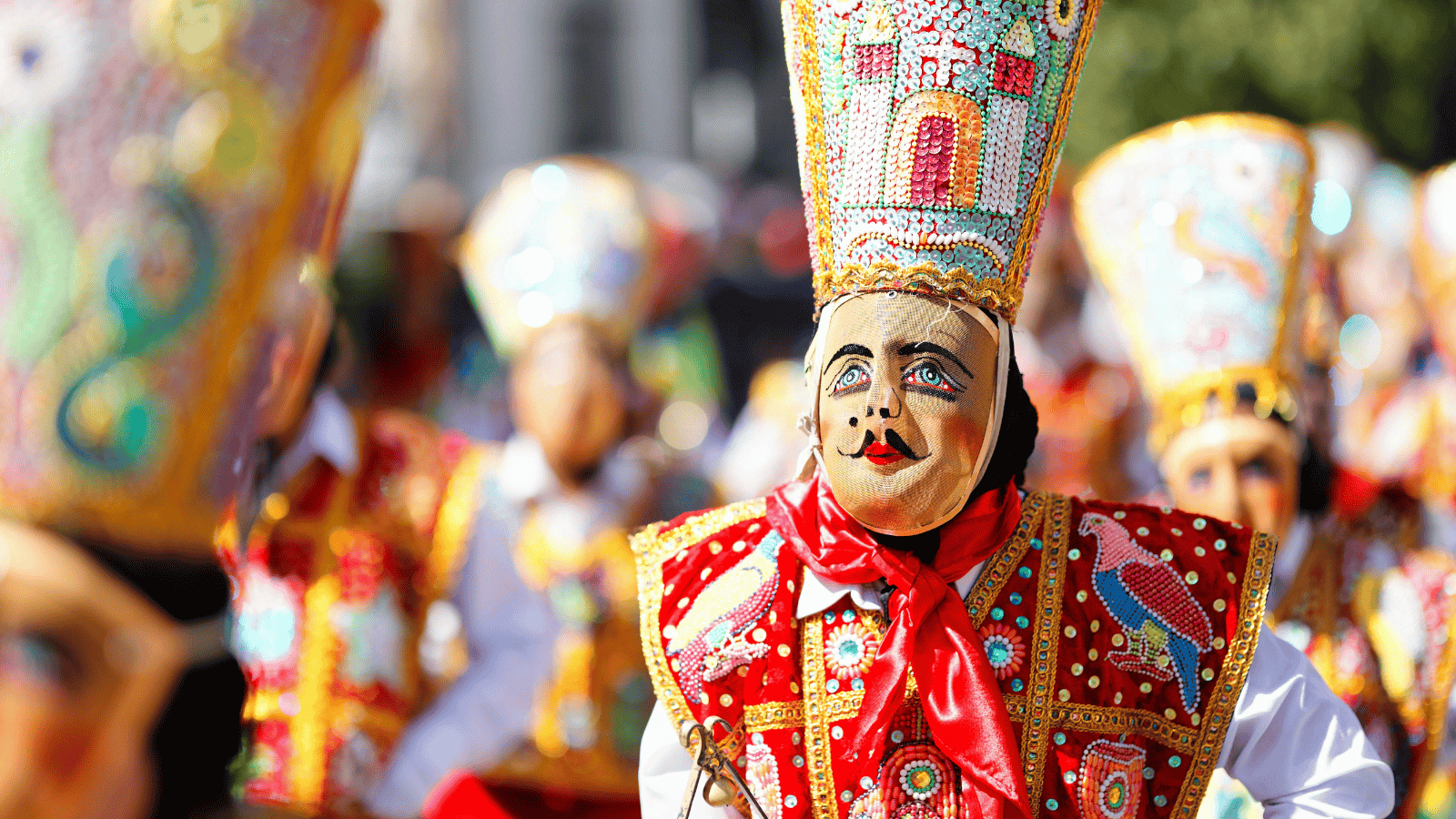
Over the years, several myths and curiosities have arisen about chicha de jora. Here are some of them:
1. Chicha de jora is only for big celebrations
Although it is true that chicha de jora is very popular during large festivities, it is also consumed at family gatherings, social gatherings, and small events. Its presence is not limited to mass celebrations.
2. It is a dangerous alcoholic beverage
In reality, chicha de jora is not dangerous when consumed in moderation. Its low alcohol content makes it less intoxicating than other traditional drinks, such as beer or wine.
3. Chicha de jora is only consumed in Peru
Although chicha de jora is best known and consumed in Peru, there are also versions of this drink in other Andean countries, such as Bolivia and Ecuador, where it is known by different names and has different variations.
4. The preparation of chicha de jora is an ancient secret
Although the process of making chicha de jora is traditional and has been passed down from generation to generation, it is not a secret. Many families and communities still preserve the original recipes and are willing to share them with those who wish to learn.
5. Chicha de jora has magical properties
In some communities, chicha de jora is believed to have mystical and healing powers. It is attributed with properties that allow one to connect with the gods and nature, especially in rituals of gratitude and protection.
Chicha de jora is much more than a drink; it is a symbol of Andean culture that has been passed down from generation to generation. If you want to experience this tradition up close, stay at Andean Wings Valley, a hotel in the Sacred Valley, where you can enjoy an authentic experience and the warmth of local customs. We look forward to helping you experience the magic of the Andes!