
Traveling to Cusco is a unique experience, full of incredible landscapes and adventures to discover. However, being at a high altitude, it is common to suffer from altitude sickness, something that can affect your enjoyment. But don’t worry, it’s totally preventable! If you stay in one of our hotels in Urubamba, you can acclimatise comfortably and enjoy the city to the full, without being held back by altitude sickness.
What is altitude sickness and how does it affect your body?
Altitude sickness or mountain sickness is a condition that occurs when you find yourself at high altitudes, generally above 2,500 meters (8,200 feet), without having allowed your body to acclimatize properly. The lack of oxygen in the air can cause a series of uncomfortable and, in some cases, dangerous symptoms.
The human body needs time to adapt to the conditions of low atmospheric pressure and reduced levels of oxygen at high altitudes, which can cause discomfort such as headaches, dizziness, nausea and even difficulty breathing. Fortunately, with some precautions before and during your adventure, you can minimize the risk of suffering from the effects of altitude sickness.
How do you recognize the symptoms of altitude sickness?
It is important to identify the symptoms of altitude sickness so that you can act quickly if you start to feel unwell. Some of the common symptoms include:
- Headache: A persistent, dull pain in the head is one of the first signs that the body is having difficulty with the lack of oxygen.
- Nausea or vomiting: Upset stomach is another common symptom of altitude sickness, due to decreased oxygen and pressure in the body.
- Dizziness and fatigue: You may feel more tired than normal or dizzy when performing everyday activities.
- Difficulty breathing: The feeling of not being able to breathe properly is a clear sign that your body needs more oxygen.
It is crucial that if you experience these symptoms, you take immediate action to prevent them from getting worse.
5 surefire tips to avoid altitude sickness
1. Arrive at your destination in advance to acclimatize
One of the best ways to prevent altitude sickness is to allow your body to acclimatize gradually. If you plan to visit a high place, such as a mountain or a city at a high altitude, it is best to arrive a few days before you start your physical activities. This will give your body time to adapt to the new altitude and start producing more red blood cells to transport oxygen.
A hotel in Cusco where you can rest and acclimatize is ideal for your body to adapt without rushing.
2. Stay well hydrated throughout the day
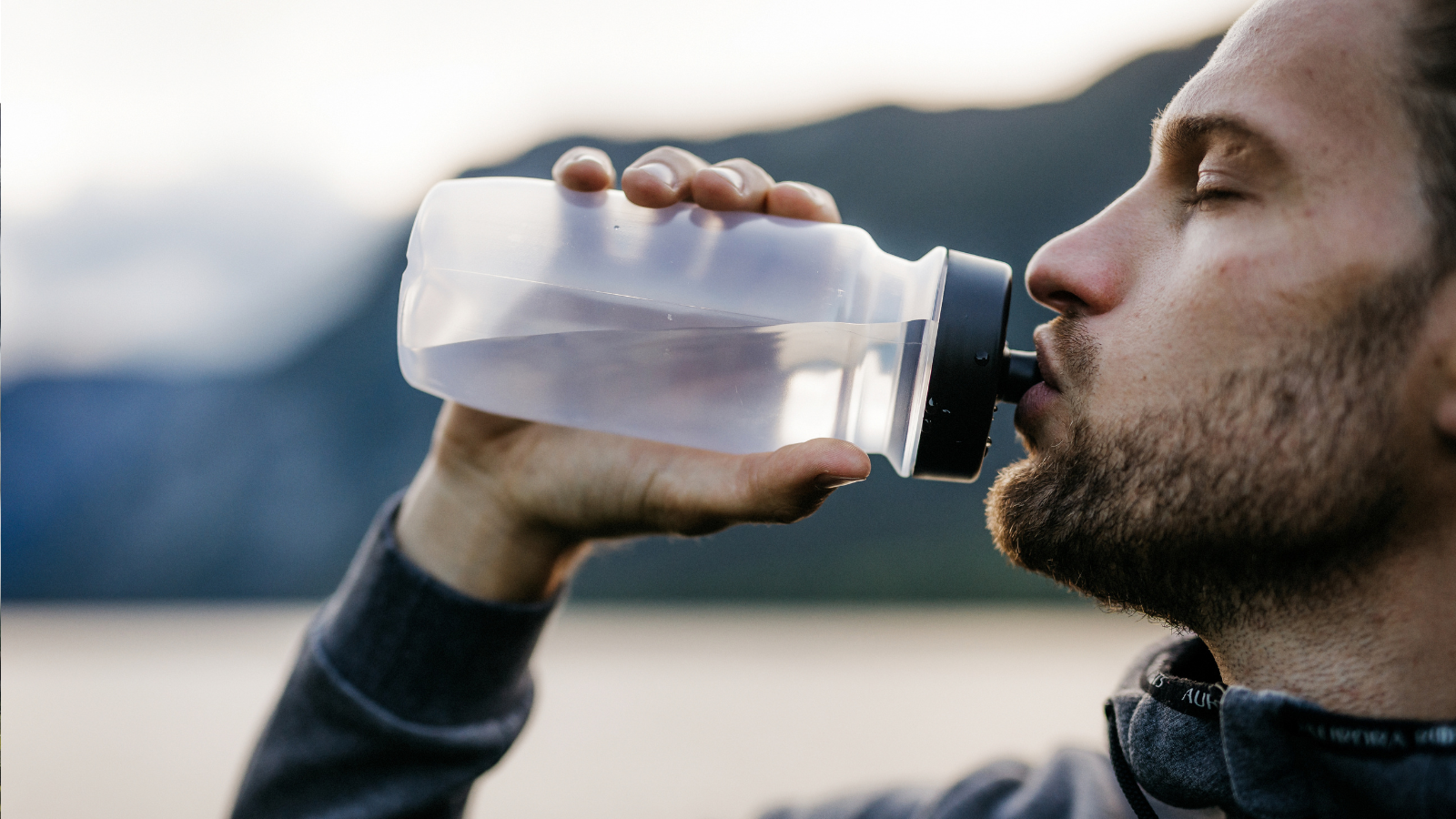
Water is your best ally in the mountains. Dehydration can worsen the symptoms of altitude sickness, so be sure to drink enough water throughout the day. Avoid drinks with caffeine or alcohol, as they can dehydrate you even more. Always carry a bottle of water with you and take small sips throughout the day.
3. Avoid alcohol and heavy meals
Alcohol and high-fat meals can make it difficult for the body to acclimatize and increase the risk of discomfort. Alcohol, in particular, can depress respiration, making you more vulnerable to altitude sickness. On the other hand, heavy meals that are difficult to digest can make you feel sluggish and fatigued. Opt for light, easily digestible foods such as fruits, vegetables and lean proteins.
4. Descend immediately if you experience symptoms
If you start to experience serious symptoms such as dizziness, severe nausea or difficulty breathing, the most important thing is to descend immediately to a lower altitude. Altitude sickness can worsen quickly, so it is essential that you descend to a lower altitude to allow your body to recover. Descending, even if it is only a few hundred meters, can make a difference to your well-being.
5. Take breaks and breathe deeply to oxygenate yourself
When you are at high altitudes, remember to take regular breaks to allow your body to recover. In addition, practicing deep breathing techniques can help increase oxygenation in your body. Take time to breathe slowly, filling your lungs completely, and relax to reduce stress on your system.
Additional tips for a worry-free experience

- Appropriate clothing: Wear light, comfortable clothing and layers to adapt to temperature changes at high altitudes. The weather can change quickly and being well prepared will help you stay comfortable.
- Consult a doctor: If you have pre-existing health problems or doubts about your ability to adapt to altitude, it is advisable to consult a doctor before your trip.
- Take medication: In some cases, doctors may prescribe preventive medication to help avoid altitude sickness. Be sure to take it with you if it has been recommended.
With these tips, you’ll be prepared to enjoy your adventure without altitude sickness holding you back. Staying at the hotels of Andean Wings Valle Sagrado in Cusco will give you the perfect space to acclimatise and make the most of all that this incredible city has to offer. We would love to be part of your experience in the Andes!
This article is also available in Spanish: 5 Consejos para evitar el mal de altura y vivir la mejor aventura.