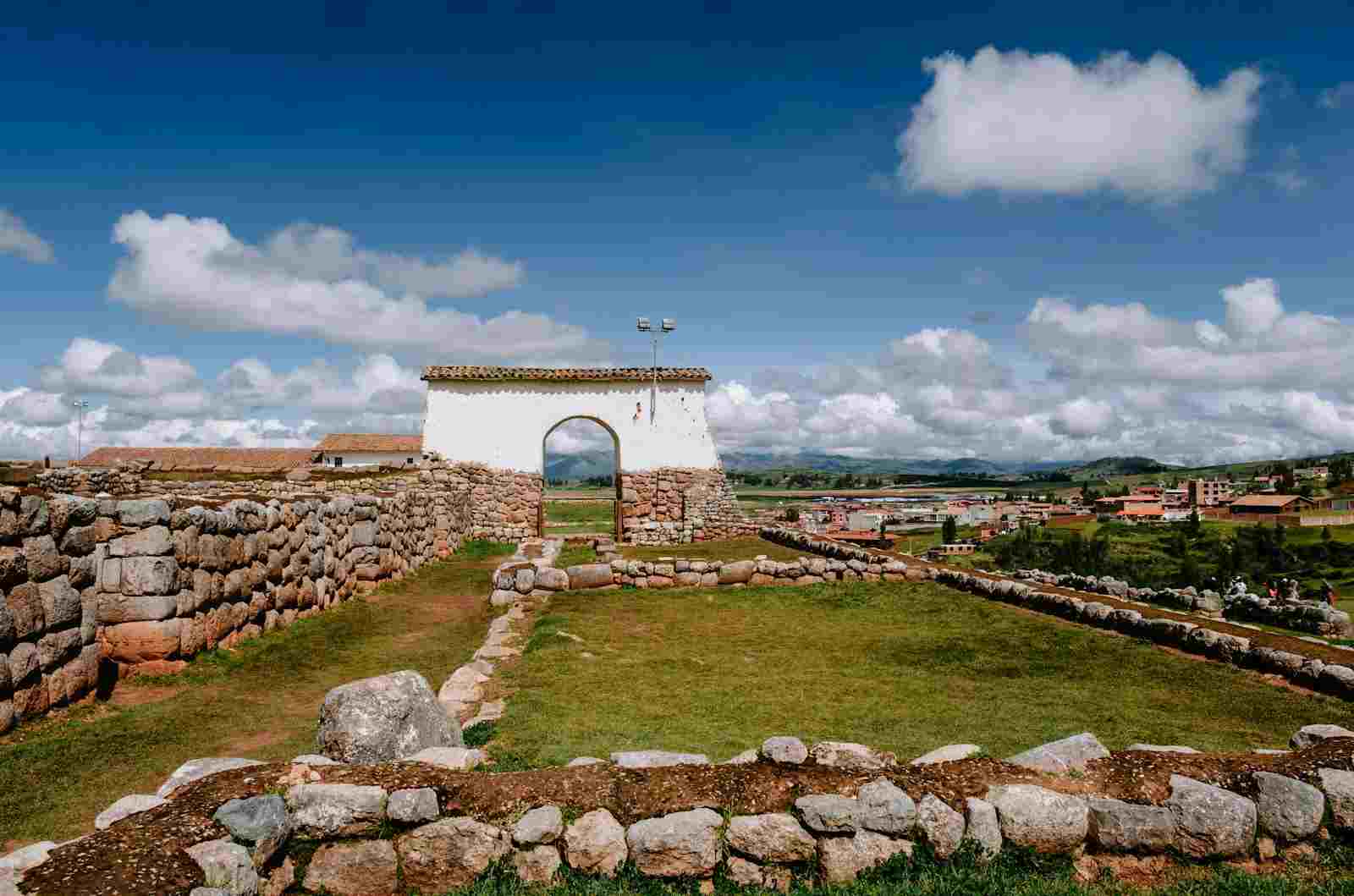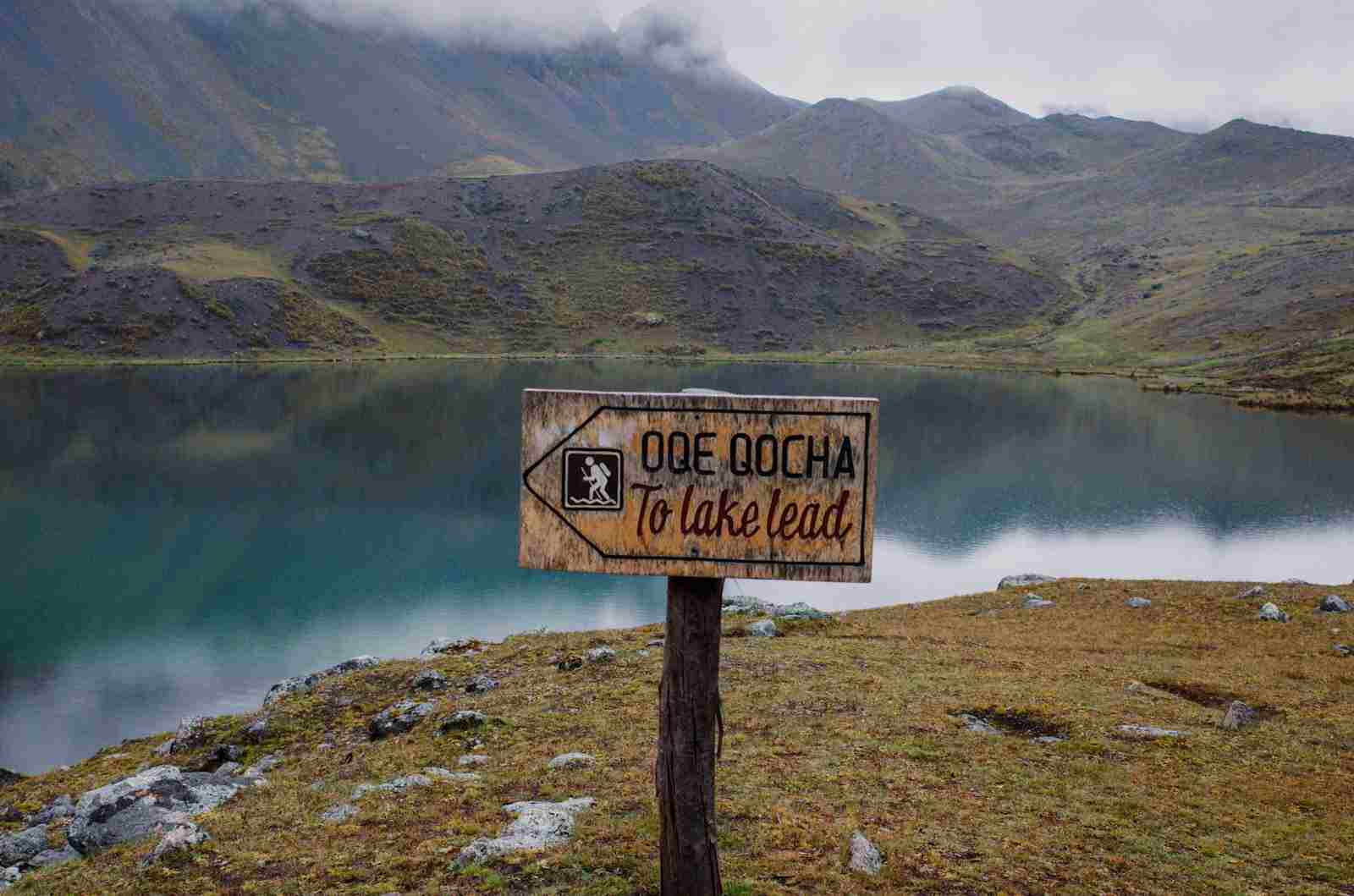

The Andean cougar, one of the most impressive felines in South America, inhabits the majestic mountains of Cusco, a destination full of history and biodiversity. Meeting this big cat in its natural habitat is a unique experience, and after a day of exploration, resting in one of the cozy hotels in Cusco will allow you to immerse yourself even more in the magic of the region.
In this article, discover everything about the Andean cougar, its role in the ecosystem, its connection with the Inca culture and how to spot it in the impressive mountains of Cusco.
What is the Andean cougar and why is it so special?
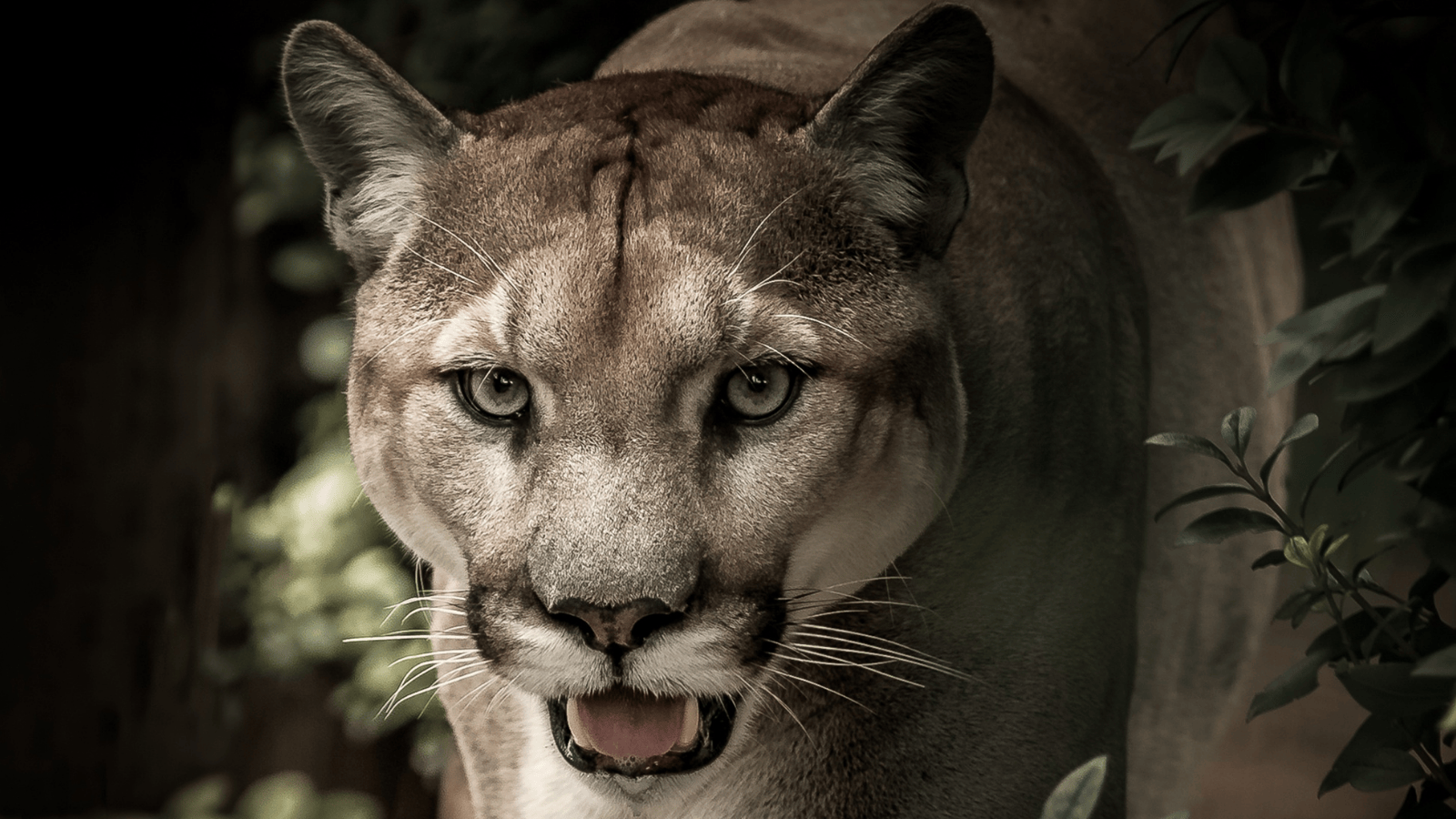
The Andean cougar (Puma concolor) is a species of cat found in the mountains of South America, and is especially known for inhabiting the Andean region of Peru. This big cat, which is also known as the Peruvian puma or Peruvian Andean puma, is a majestic and mysterious animal that plays a fundamental role in the ecosystem of the Andes.
What makes the Andean puma so special is its ability to adapt to different habitats, from forests to rocky areas and moorland. Its agility, strength and cunning make it a top predator, which means that it regulates the populations of other species and maintains the natural balance of its environment. The puma also has a deep link with Andean culture, being a symbol of power and wisdom in the Inca worldview.
Physical characteristics of the Peruvian puma
The Peruvian Andean puma has a slender and strong body, designed for hunting and survival in the high mountains. Its most outstanding characteristics include:
- Size and weight: The Andean cougar is a large cat, with a length that can reach 1.8 meters, including the tail, and a weight of between 50 and 100 kilograms, depending on age and sex. Males tend to be larger than females.
- Coat: Its coat is short and dense, with shades varying from yellowish brown to gray, allowing it to blend in perfectly with the mountainous and rocky environment. The coat has very faint spots and a darker layer on the back and flanks.
- Head and eyes: The puma has a round head and small ears, with large eyes that provide it with excellent vision, both day and night.
- Claws and fangs: Its claws are sharp and its fangs long, ideal for hunting and holding its prey. They are very skilled at hunting and use their dexterity to climb and move quickly among the rocks.
Habitat and distribution of the Peruvian Andean cougar

The Peruvian Andean cougar is mainly distributed in the mountainous regions of Peru, especially in the Andes. These areas include high altitude zones, between 1,500 and 4,500 meters above sea level. The cougar mainly inhabits the dry forests and rocky areas of the Andes, but can also be found in the moors and areas of tall vegetation.
Although pumas tend to avoid human presence, the areas near Cusco offer an ideal habitat for this big cat, particularly protected areas such as Manu National Park, which is one of the most biodiverse places on the planet. The mountains near Cusco are perfect for those who wish to explore the natural habitat of the puma and enjoy breathtaking scenery.
If you are passionate about wildlife watching and want to explore the Andean mountains in search of this fascinating feline, Cusco is an ideal place to plan your trip. After a day of trekking through the majestic mountains, you can relax and enjoy a hotel in Cusco, which offers a variety of comfortable accommodations, perfect for resting while immersing yourself in the rich Inca culture.
The role of the Andean puma in the Andean ecosystem
The Andean puma is an apex predator, which means that it plays a crucial role in maintaining the ecological balance of its environment. By regulating the populations of medium-sized mammals such as guanacos, deer and vizcachas, the puma helps to control the vegetation and prevents the overpopulation of species that could damage the ecosystem.
Thanks to its role as a predator, the puma also influences the health of prey species. By hunting the weakest or sickest animals, it contributes to maintaining a healthy and dynamic ecosystem. Its presence in the Andes is essential for the stability of animal and plant populations, and its disappearance could have a negative impact on local biodiversity.
Puma in Inca culture
The Andean cougar is not only important in ecological terms, but also occupies a central place in Andean culture. In Inca mythology, the cougar was considered a symbol of power, strength and wisdom, and represented the connection of humans with the earthly world.
The symbolism of the cougar in the Inca worldview
In the cosmovision of the Incas, the puma was one of the three sacred animals that represented the three worlds: the world of the gods, the earthly world and the underworld. The puma was associated with the earthly world and symbolized strength, courage and cunning. Its figure was present in many religious ceremonies and rituals of the Inca culture.
The presence of the puma in the art and architecture of Cusco
The puma was also reflected in the art and architecture of the ancient Inca capital, Cusco. The city was designed so that its streets formed the shape of a puma, with the Temple of the Sun (Qorikancha) representing the head of the animal. This representation of the puma not only has an aesthetic significance, but also reflects the spiritual bond of the Incas with this feline.
Where can you spot the Andean puma in Peru?

Although the Andean puma is an elusive feline and difficult to spot due to its solitary nature, Cusco is the ideal starting point for exploring nearby areas where this magnificent animal lives. From the city of Cusco, travelers can access several protected areas such as Manu National Park and the Machu Picchu Communal Reserve, which are natural habitats for the puma.
The Peruvian Andean cougar is a fascinating feline that maintains the ecological balance of the Andes and is also a symbol of power and wisdom for the Incas. If you visit Peru and want to explore the Cusco region, staying at Andean Wings Valley, a hotel in the Sacred Valley, will allow you to discover the majesty of this big cat in its natural habitat, while connecting with the history and nature of one of the most impressive regions in the world. We look forward to welcoming you for this unique experience!
This article is also available in Spanish: Puma andino: El gran felino de los Andes peruanos.