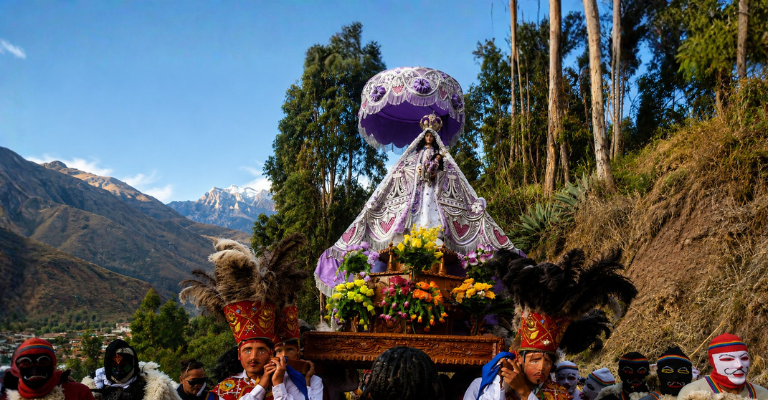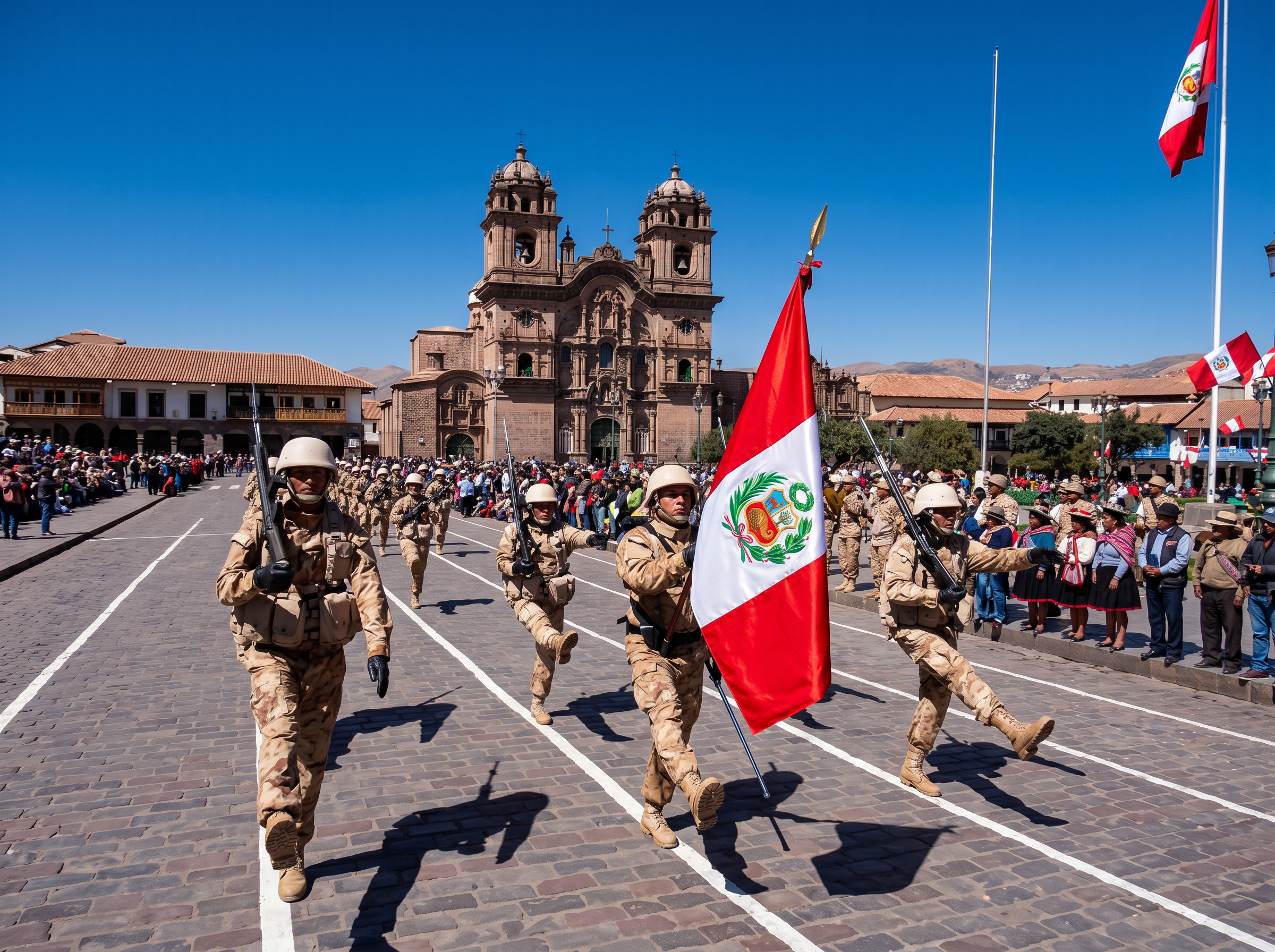


Peruvian pisco is much more than an alcoholic drink; it is a symbol of the rich cultural tradition of the Andes. In Cusco, the cradle of the Inca Empire and gateway to the wonders of southern Peru, pisco not only represents the history of the region, but is still an integral part of the celebrations, rituals and daily life of its inhabitants.
If you visit the hotels in Urubamba, the experience of tasting a good Peruvian pisco is one of the most authentic ways to immerse yourself in the local culture.
What is Peruvian pisco and why is it so special?
Peruvian pisco is a grape brandy whose production in Peru is part of the country’s historical heritage. Its origins date back centuries, when the first vines were brought by the Spanish colonizers and the indigenous people perfected the distillation process in the southern valleys, especially in regions close to Ica. However, Peruvian pisco is not just a drink; it is the expression of a territory, of a land rich in tradition.
What makes Peruvian pisco special is the artisanal distillation process that remains very true to its roots. Unlike other similar drinks, pisco is made from selected grapes and distilled in a way that preserves the natural flavors and aromas of the fruit. Depending on the grape variety used, pisco can have notes of fruit, flowers and even a mineral touch.
The history of Peruvian pisco and its origins in the Andes
Pisco has deep historical roots in the Andean region. Although it is mainly associated with the southern part of Peru, the tradition of pisco extends throughout the country. In Cusco, the influence of pisco has been present since colonial times, when it began to be produced in the Ica region and gradually spread to the high Andean plateaus. The drink was an important component of Inca religious rituals, as it was used as an offering to the gods, especially on important holidays.
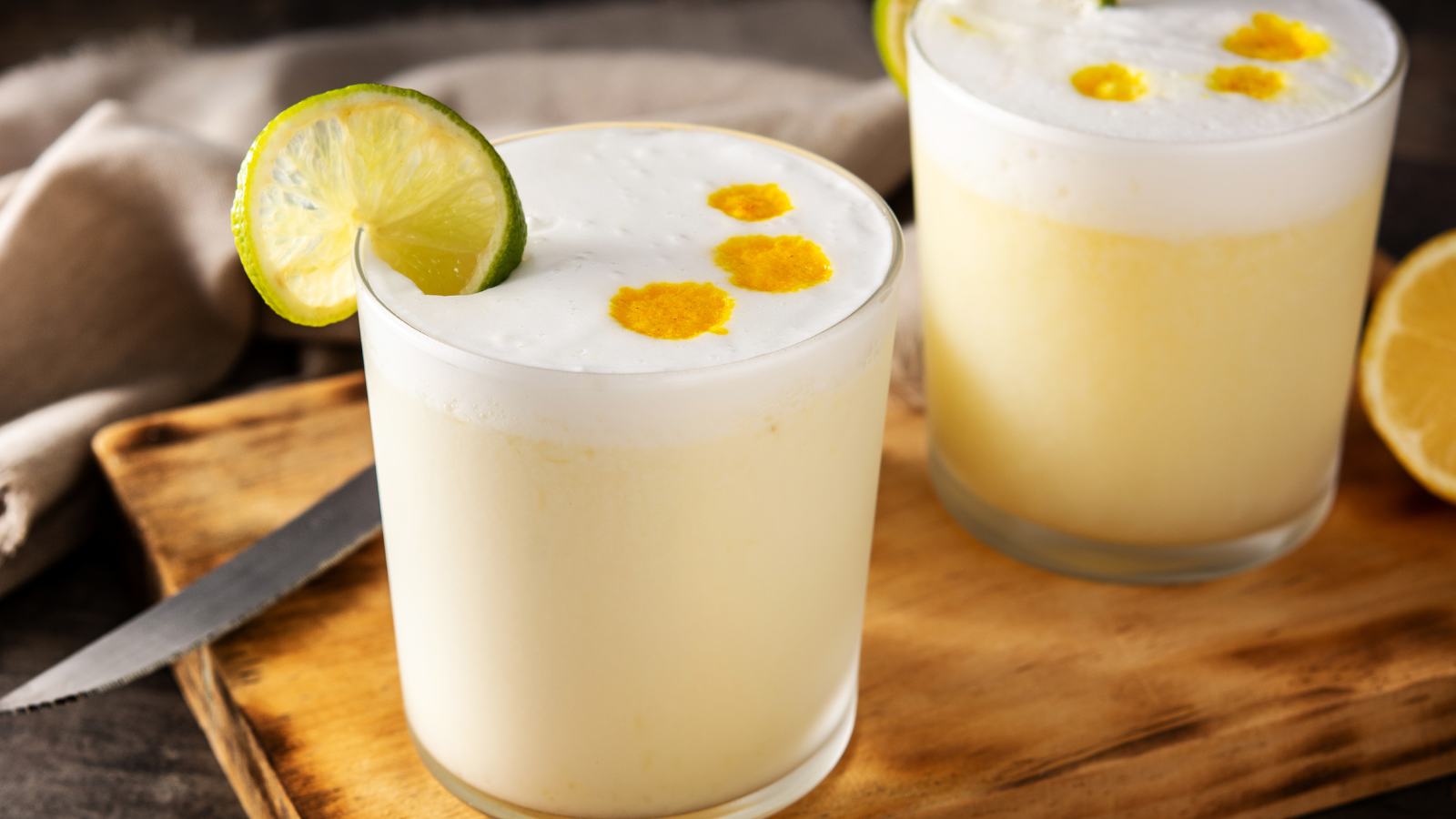
Today, pisco remains a fundamental part of celebrations in Cusco, from traditional festivities to modern social gatherings. The famous Pisco Sour, a cocktail combining pisco, lemon juice, egg white and gum syrup, is served in local restaurants and bars, allowing visitors to enjoy the national drink at its finest.
The best Peruvian piscos: Varieties and characteristics
In Cusco, you will find a wide variety of piscos, ranging from the smoothest and fruitiest to the most robust and complex. Some of the best known varieties include:
- Pisco Quebranta: This is the most popular in Peru and is characterized by its smooth, fruity flavor, ideal for cocktails such as the Pisco Sour.
- Pisco Torontel: With a floral touch, this pisco stands out for its delicate flavor and intense aroma.
- Pisco Italia and Albilla: Less well known but equally delicious, these piscos have a more pronounced flavor and are perfect for those looking for a more intense experience.
If you find yourself in Cusco, enjoying a good pisco in a warm and welcoming environment, accompanied by a traditional dish from the region, is an excellent way to experience the local culture. And, of course, after a day exploring the magnificent landscapes and archaeological sites, a rest in one of the hotels in Cusco, where hospitality and comfort combine with spectacular views of the city, is the perfect end to a day in this historic city.
Inca pisco: Connection between tradition and culture
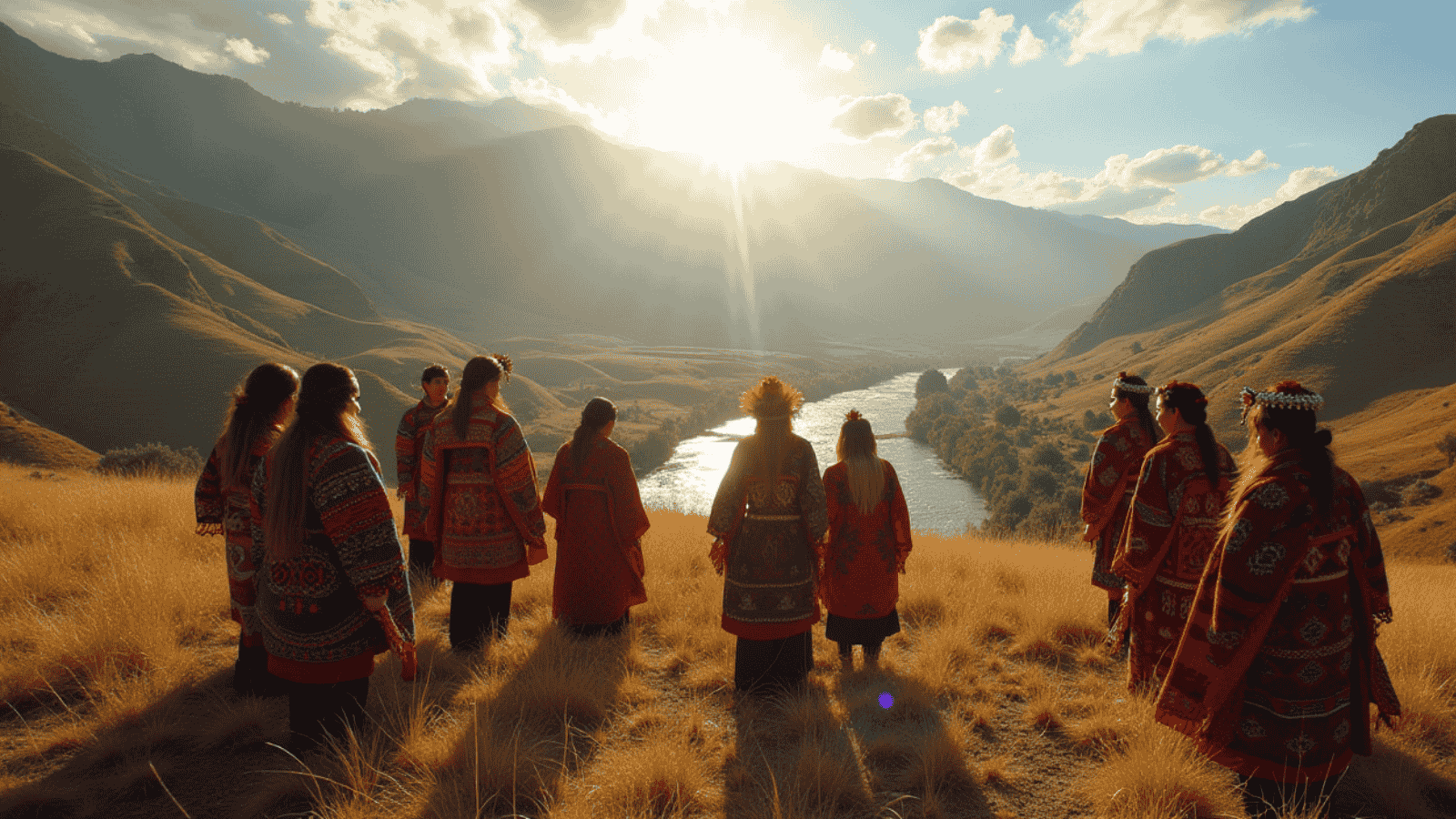
The relationship between pisco and the ancient Andean civilizations, especially the Incas, is deep and symbolic. Although it did not exist in the same form as we know it today, the ingredients and ancestral methods of distilling fermented beverages were already used by the original peoples of the Andes. Inca Pisco, as it was called in those times, had not only an economic value, but also a spiritual one.
The ancestral origin of pisco in Andean civilizations
The Incas and their predecessors used pisco in religious ceremonies and rituals. The use of fermented corn and other fruit drinks had a ritualistic component in the celebrations that honored Pachamama (Mother Earth). Today’s pisco, although it has evolved, is still a reminder of these ancient traditions that linked the drink to the divine.
The use of pisco in Inca religious rituals
In Inca rituals, pisco and other fermented beverages were offered to the gods. According to the Andean worldview, these drinks served to strengthen the connection with spiritual beings. This tradition of offering pisco to the deities endures in many aspects of contemporary Peruvian culture.
How pisco became a cultural symbol of the Andes
Over the centuries, pisco went from being a ceremonial drink to becoming a cultural symbol of the Andes. Today, it is still an emblematic drink of Peru, especially in Cusco, where festivals and gatherings are held that include pisco as a fundamental part of the local identity.
The influence of Inca distillation methods on modern pisco production
The tradition of pisco distillation, although it has advanced over time, still uses methods that can be traced back to the ancient techniques of the Incas. This is reflected in the quality of modern Peruvian pisco, which combines ancient techniques with contemporary innovations to produce a refined drink.
Where can you enjoy the best pisco in Peru?
If you are in Cusco, there are several places where you can enjoy a glass of the best Peruvian pisco. From local bars and restaurants to events and festivals, Cusco offers you various opportunities to try this emblematic drink of the region. Moreover, being in a city rich in history and culture, each glass of pisco becomes an experience that connects the present with the ancestral traditions of the Andes.
Peruvian pisco is much more than a drink; it is a reflection of the history and tradition of the Andes. If you visit Cusco, enjoying a good pisco at Andean Wings Valley, a hotel in the Sacred Valley, will allow you to immerse yourself in the rich cultural heritage of the region. Come and live a unique experience in the heart of the Andes!
This article is also available in Spanish: Pisco peruano: Un símbolo vivo de los Andes.