
The coca leaf has been essential to the life of the Andean people for thousands of years. Despite the controversies surrounding cocaine, it continues to be a symbol of Andean cultural identity.
In this article we will explore the traditional uses of the coca leaf, its benefits for high altitude trekking enthusiasts and how you can experience it for yourself in Cusco, especially if you are staying in the Sacred Valley.
What is the coca leaf?
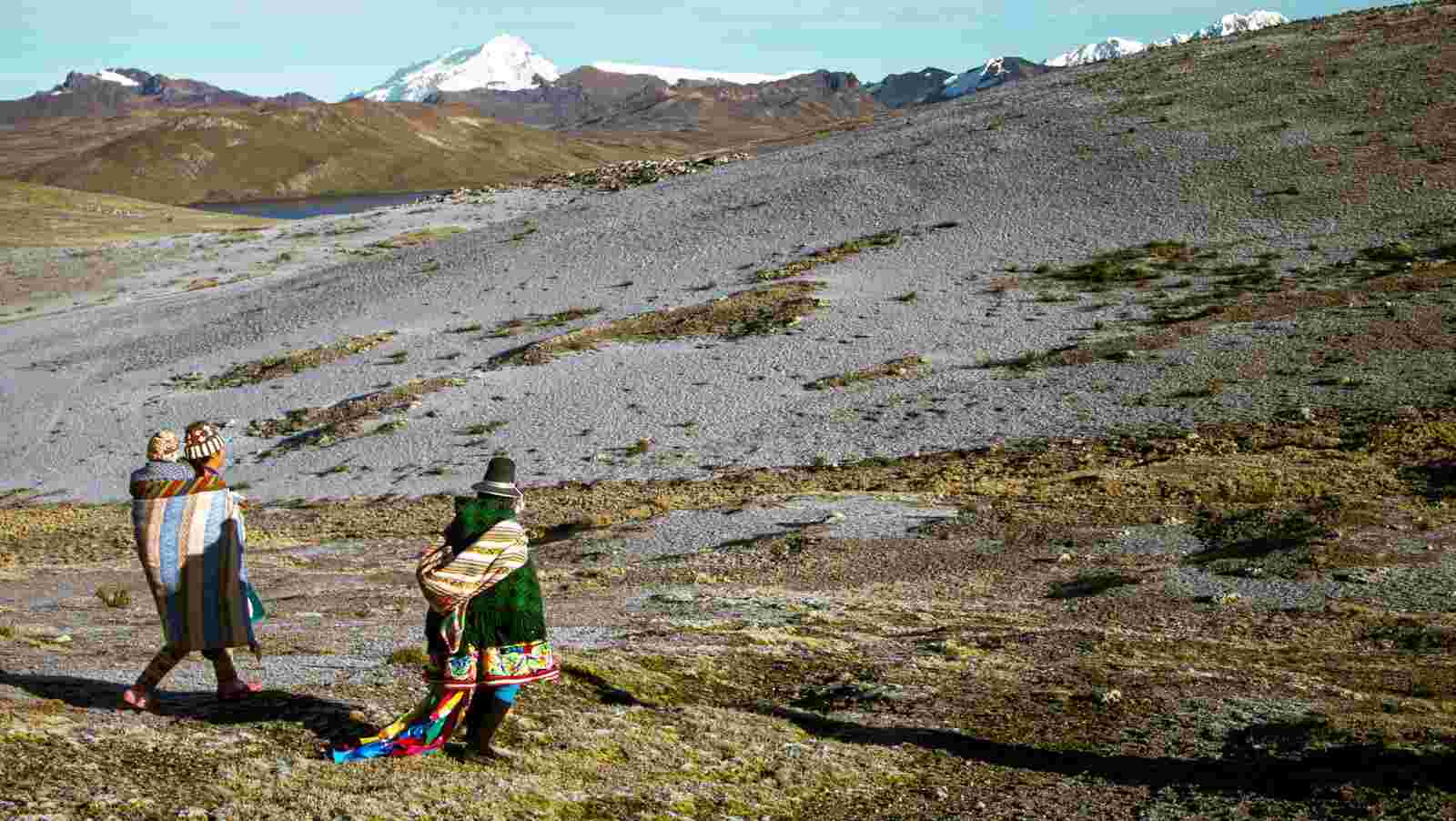
The coca leaf comes from the Erythroxylum coca plant and has been used by the peoples of the Andes for centuries. During the Inca Empire, coca was considered a sacred gift from the gods and was used in religious and spiritual rituals. Today, it remains an integral part of daily life in many Andean communities.
Rather than being a plant associated with cocaine production, as is often thought, the coca leaf has a variety of medicinal, cultural and wellness applications that are deeply valued by the peoples of the highlands.
Traditional uses of the coca leaf
The coca leaf is consumed in various forms in the daily life of the inhabitants of the Andes. Traditional uses include:
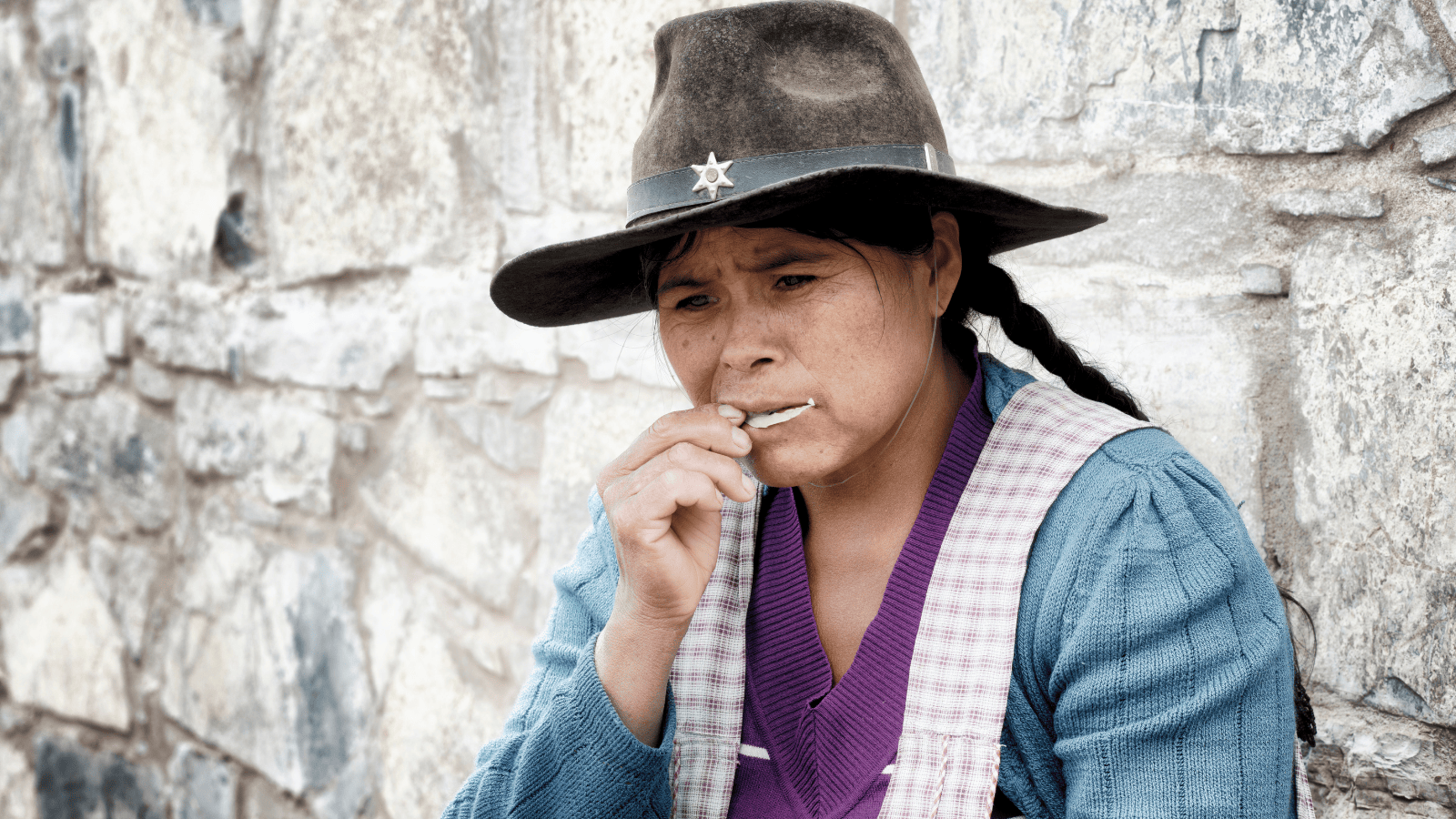
- Acullico (chewing coca): Chewing coca leaves is a common practice to increase energy, reduce hunger and relieve altitude sickness. Peasants and rural workers use it to keep active for long periods.
- Coca infusion (mate de coca): Coca tea is very popular among the inhabitants of the highlands, and is known for its medicinal properties, which help to relieve altitude sickness, digestive problems and headaches.
- Ritual offerings: The coca leaf is used in religious ceremonies as an offering to Pachamama (the earth goddess), guaranteeing a good harvest or seeking the protection of the gods.
In addition to these uses, the coca leaf is also fundamental in various traditions of Andean folk medicine, where its properties are believed to have a strong link with spiritual and physical energy.
5 Benefits of the coca leaf

Travelers visiting the Andes, especially cities like Cusco, may experience the effects of altitude sickness due to the altitude. The coca leaf has been a traditional remedy used for centuries to mitigate these effects. Below, we detail five of its main benefits:
1. Relief from altitude sickness symptoms
Altitude sickness or soroche is a common condition when traveling to high altitudes. The coca leaf helps relieve symptoms such as headaches, nausea and dizziness, allowing travelers to better acclimatize to the altitude without feeling the negative effects.
2. Increased energy and stamina
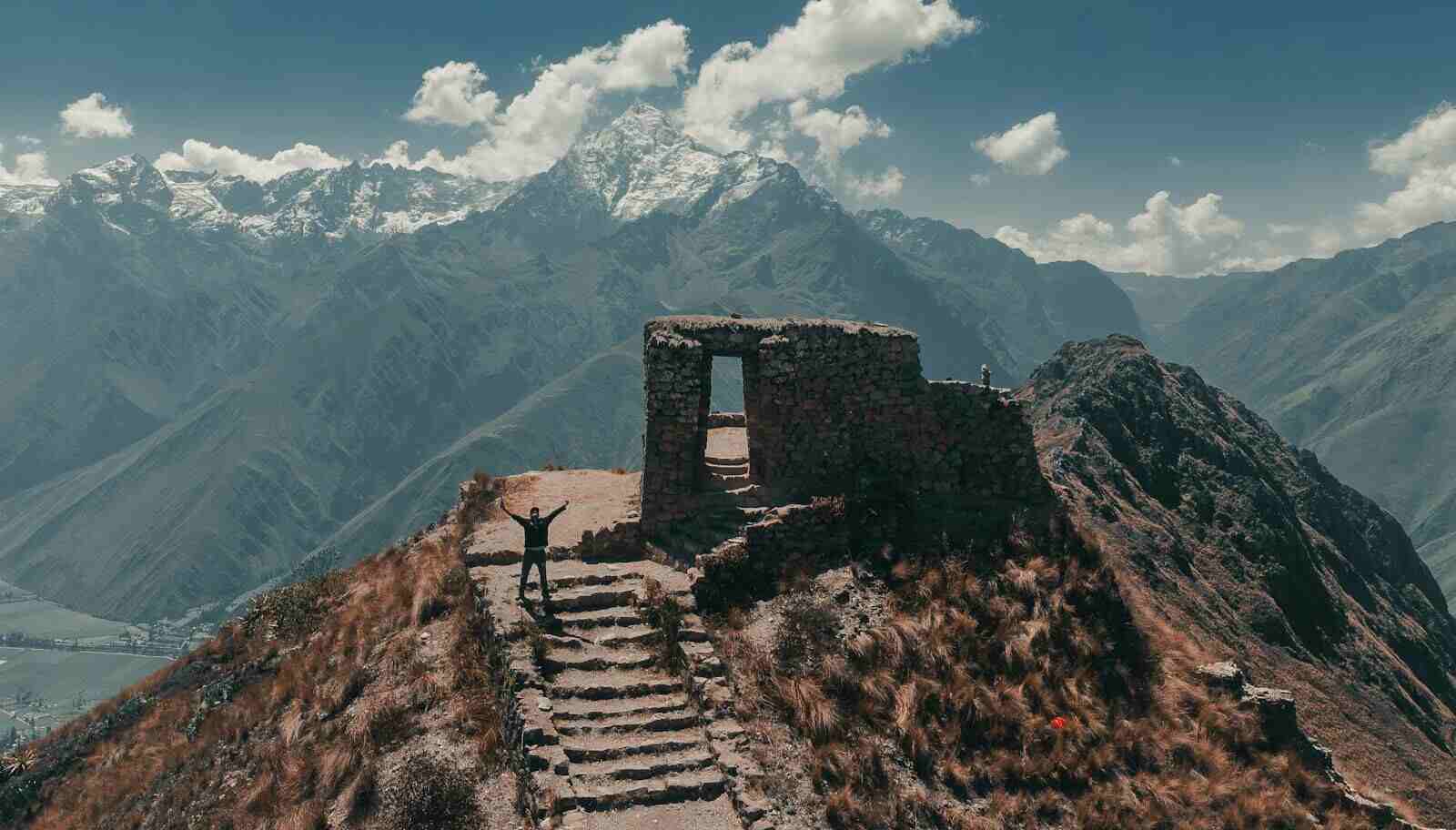
Coca leaves contain natural alkaloids that stimulate the central nervous system, providing an increase in energy and stamina. This is especially useful for travelers planning to go on long hikes or treks in the mountains, such as the famous trek to Huchuy Qosqo.
3. Improved digestion at high altitudes
Digestion can slow down at high altitudes, and many people experience stomach discomfort. Coca tea helps improve digestion, relieving the feeling of heaviness and helping the body process food more efficiently.
4. Hydration and cramp prevention
At high altitudes, it is common to suffer from dehydration due to the lack of humidity in the air. The coca leaf contributes to the hydration of the body and helps to prevent muscle cramps, a common discomfort during long walks.
5. Calming effect and stress reduction
The coca leaf has a calming effect that can help reduce anxiety and stress, which is especially beneficial for travelers who face anxiety due to altitude or the experience of a new and different environment.
Where can you experience the use of the coca leaf?
In Peru, the coca leaf is an essential part of everyday life in Andean communities. If you plan to visit the Sacred Valley in Cusco, you will have the opportunity to experience the use of the coca leaf first-hand:
- Local markets: In the markets of Cusco and elsewhere, you can find fresh coca leaves to chew or to prepare your own coca tea.
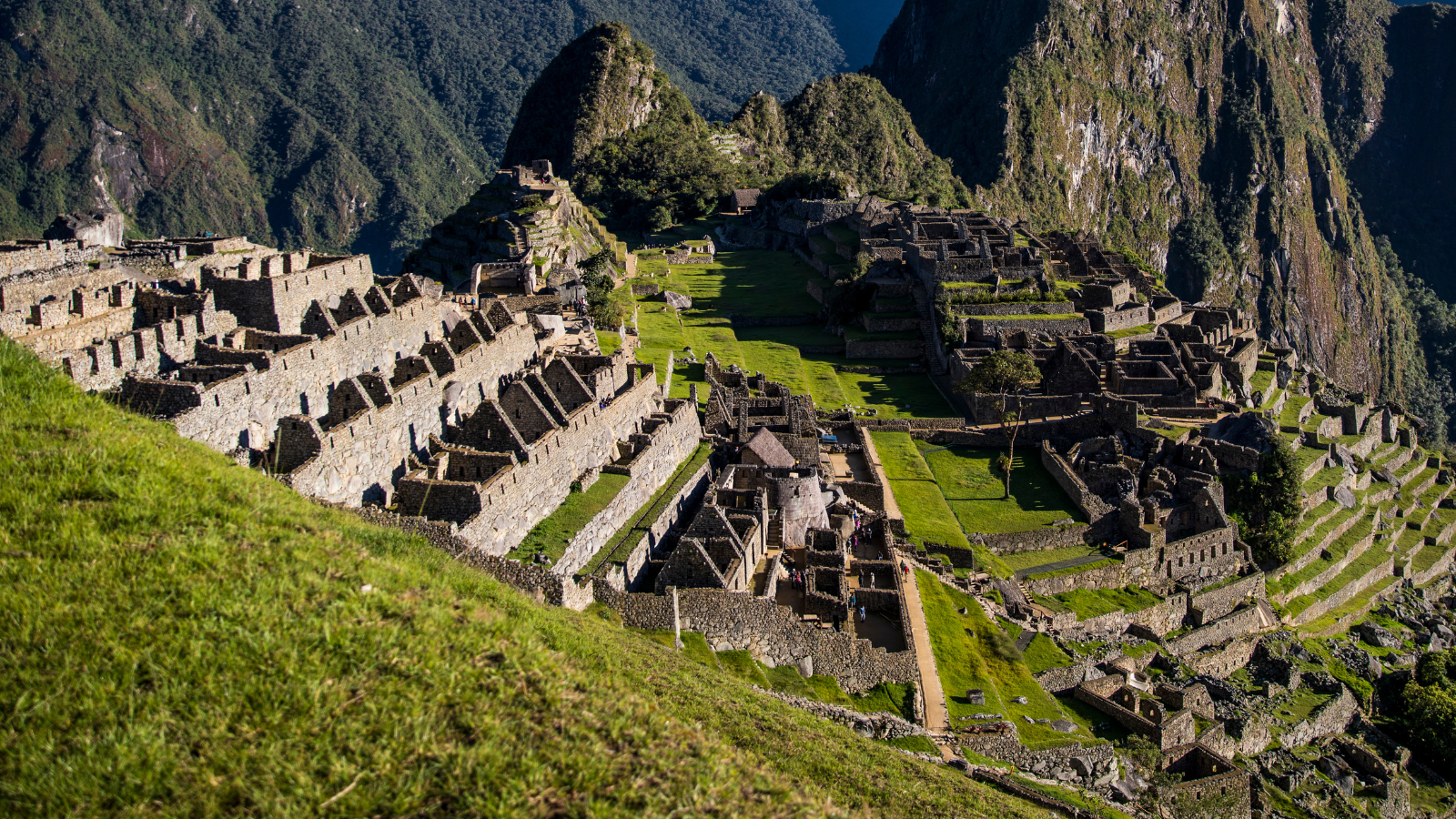
- Trekking to Machu Picchu: Many trekking guides offer tourists coca leaves or tea as part of the experience to help them combat altitude sickness.
- Traditional ceremonies: Some tour operators offer ceremonies of thanks to the Pachamama that include the use of coca leaves as part of the spiritual offerings.
If you are planning a visit to Cusco, we recommend staying in one of the hotels in the Sacred Valley, for an authentic experience, where you can learn more about the tradition of the coca leaf and enjoy wellness services based on its healing properties.
Myths and truths about the coca leaf

There are many myths about the coca leaf due to its association with cocaine. It is important to clarify some of them:
- Myth: The coca leaf is only used to make cocaine.
- Truth: The coca leaf is traditionally consumed to alleviate altitude sickness, increase energy and in spiritual rituals. It is only through a complex chemical process that it is transformed into cocaine.
- Myth: The coca leaf is illegal all over the world.
- Truth: Although it is prohibited in some countries, in Peru and other Andean nations, the consumption of coca leaves is legal and permitted for cultural, medicinal and traditional purposes.
- Myth: Coca leaves have immediate narcotic effects.
- Truth: Chewing coca does not have narcotic effects similar to cocaine. The consumption of the coca leaf, in its natural form, has mild and beneficial effects, such as stimulating energy and improving health at high altitudes.
The coca leaf remains essential in Andean culture, offering benefits for both health and for those who love trekking at high altitudes. If you visit Cusco, don’t miss the opportunity to try it and enjoy your stay at our hotel in Cusco at Andean Wings Valley, where comfort and excellent service await you.
This article is also available in Spanish: Hoja de coca: Elemento clave de la cultura Andina.