
Did you know that one of the best places in the world for stargazing is nestled in the Peruvian Andes? Astrotourism in Cusco is gaining popularity among travelers looking for more than just archaeological wonders—they seek meaningful connections with nature and the cosmos. In particular, the Sacred Valley has become a haven for those who crave clear skies, natural silence, and immersive experiences under the stars.
If you’re staying at a hotel in the Sacred Valley, you’re perfectly positioned to enjoy one of the most breathtaking night experiences in the Andes. In this article, we’ll explore why astrotourism is trending in Peru, where to see stars, how to photograph the Andean sky, and what kind of lodging to choose for the ultimate celestial experience.


What Is Astrotourism and Why Is It Trending in Peru?
Astrotourism is a form of travel that combines science, nature, and spirituality. It involves visiting places with low light pollution to observe starry skies, learn about astronomy, and feel a deeper connection to the universe.
In the Andean context, the experience becomes even more profound. Pre-Incan and Incan civilizations observed the sky for agricultural, spiritual, and ceremonial purposes. Practicing astrotourism in Cusco isn’t just about watching stars—it’s about reconnecting with a cosmic worldview rooted in ancient culture.
This emerging travel style also aligns with sustainable tourism in Cusco, as it promotes low-impact activities, cultural preservation, and local community participation.

Best Spots to See Stars Near the Sacred Valley
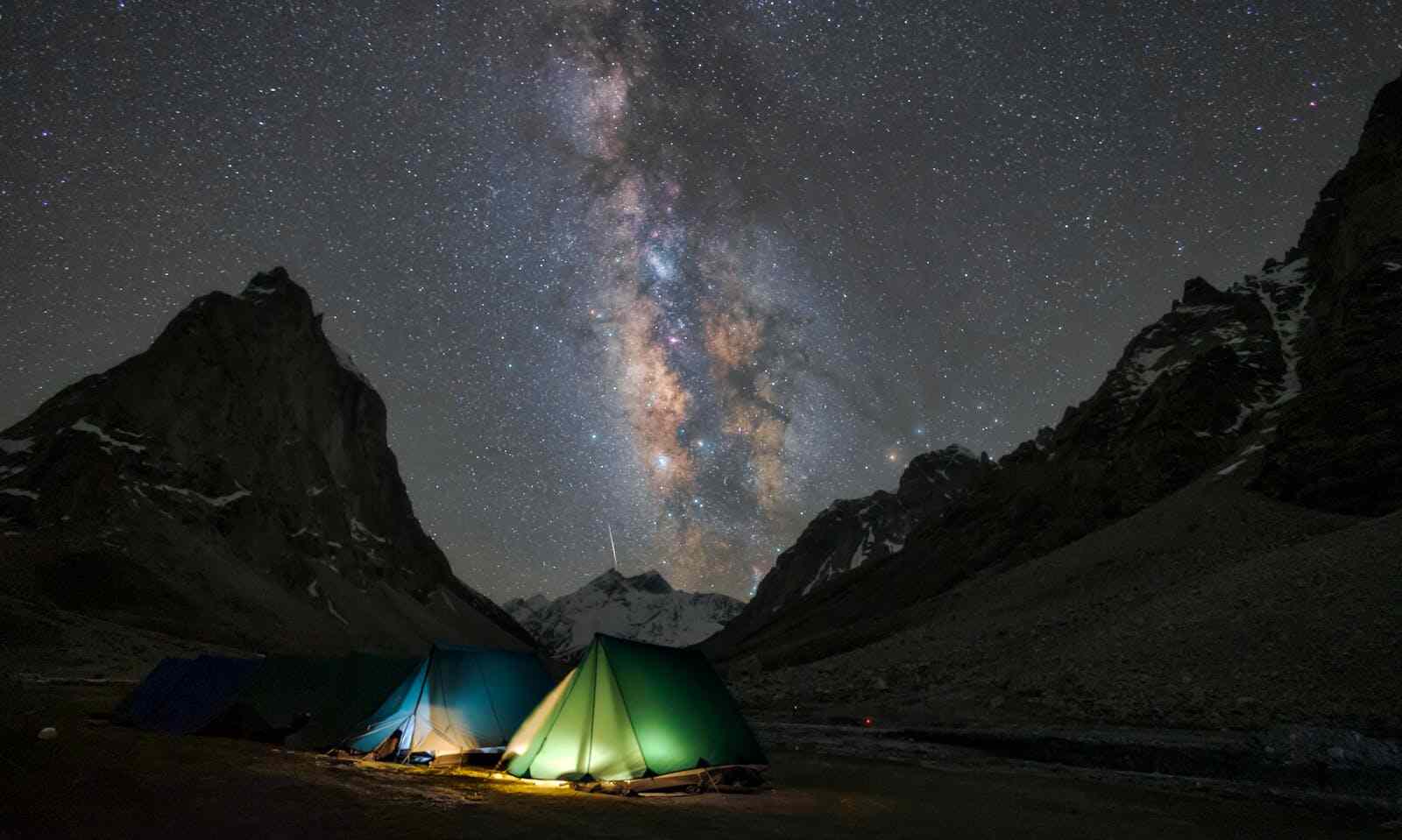
One of the biggest perks of traveling through the Andes is accessing pristine, cloudless skies with minimal light interference. The Sacred Valley skies are particularly spectacular between May and October, during the dry season.
Top locations:
- Upper Pisac: Quiet natural viewpoints perfect for spotting Andean constellations and the Milky Way.
- Amaru and Chawaytire: Rural communities offering experiences with local guides who blend astronomy with traditional wisdom.
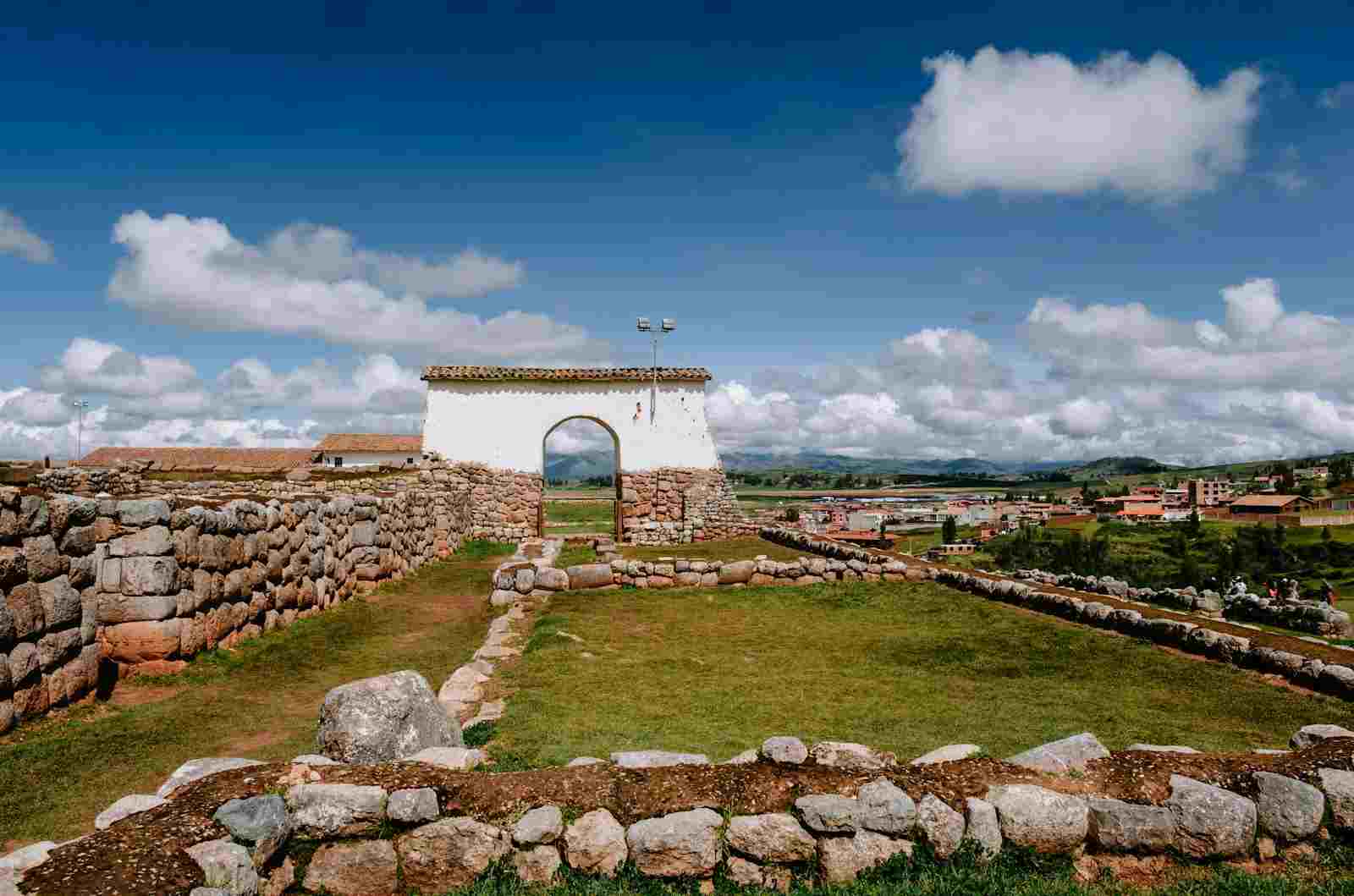
- Maras and Moray: Not just archaeological gems—they also offer open skies and wide horizons.
- Huayllabamba or Yanahuara: Low-traffic zones ideal for uninterrupted night photography.
All of these spots are easily accessible from any hotel in the Sacred Valley.
Night Tours and Telescope Experiences
Night experiences in the Andes go far beyond casual stargazing. Today, many local operators and community-run projects offer curated activities that combine learning and leisure.
What to expect from an astrotourism tour:
- Introductory talks on astronomy and Andean cosmology
- Guided stargazing using laser pointers to identify stars, planets, and constellations
- Telescope use to view Saturn’s rings, lunar craters, and more
- Warm Andean infusions and blankets under the stars
- Peaceful, remote settings far from city noise and lights
These tours are part of a growing network of sustainable tourism in Cusco, led by locals and designed to protect the environment while sharing cultural heritage.
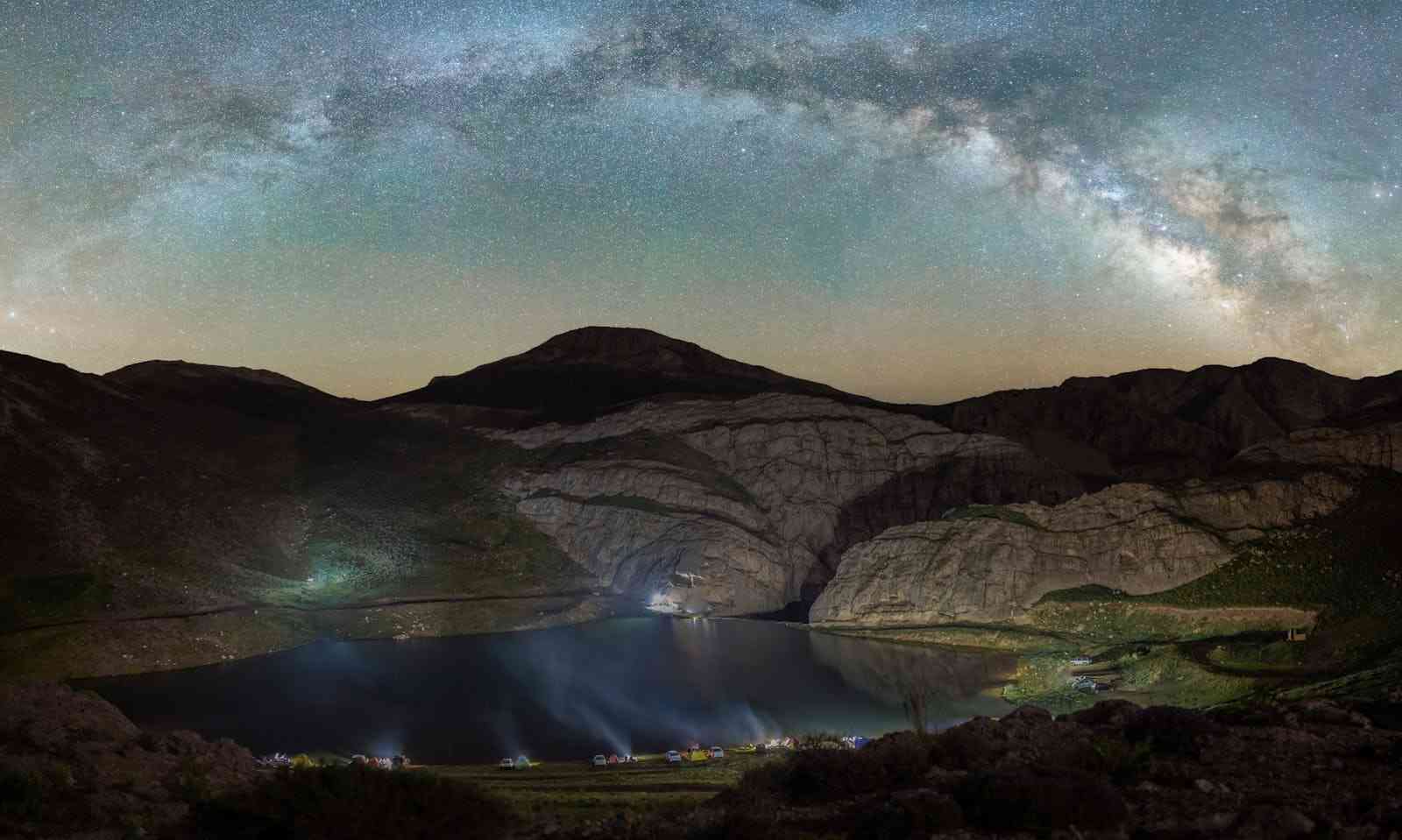
Astrophotography: Tips to Capture the Andean Night Sky
Want to take home more than memories? Here are some easy-to-follow tips for photographing the starry skies of the Andes—whether you’re using a DSLR or a smartphone.
Basic tips:
- Use a tripod: Essential for long-exposure stability.
- Manual settings: Aim for f/2.8 or lower, ISO 1600–3200, shutter speed between 10–30 seconds.
- Avoid artificial light: Stay away from towns or turn off flashlights during the shot.
- Include silhouettes: Trees, mountains, or ruins add context and depth.
- Use sky-tracking apps: Tools like SkyView or Stellarium help identify celestial bodies in real time.
Capturing the Sacred Valley skies may be one of the most rewarding visual souvenirs of your trip.
Choosing the Right Hotel for Stargazing: What to Look For
If you want to fully embrace the astrotourism experience, your choice of accommodation matters. Here’s what to consider:
- Stay in rural or semi-remote areas: Hotels on the outskirts of Urubamba, Ollantaytambo, or Calca are ideal.
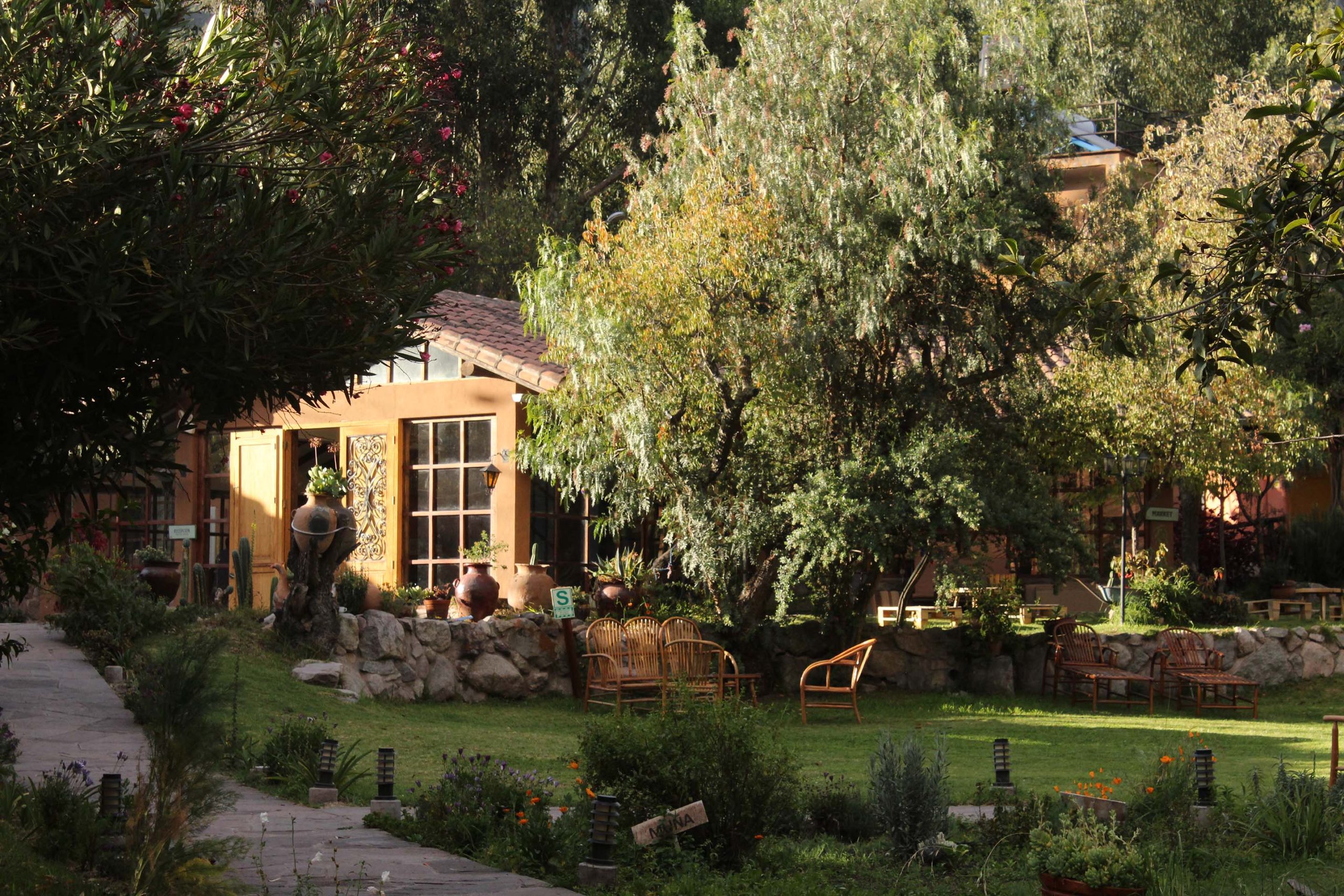
- Look for outdoor terraces or clear viewpoints: Ask if the property has a patio, rooftop, or garden with open sky access.
- Check for nighttime activities: Some eco-lodges offer campfires, astronomy talks, or cultural night rituals.
- Choose eco-conscious hotels: Prefer those with low lighting and minimal environmental impact.
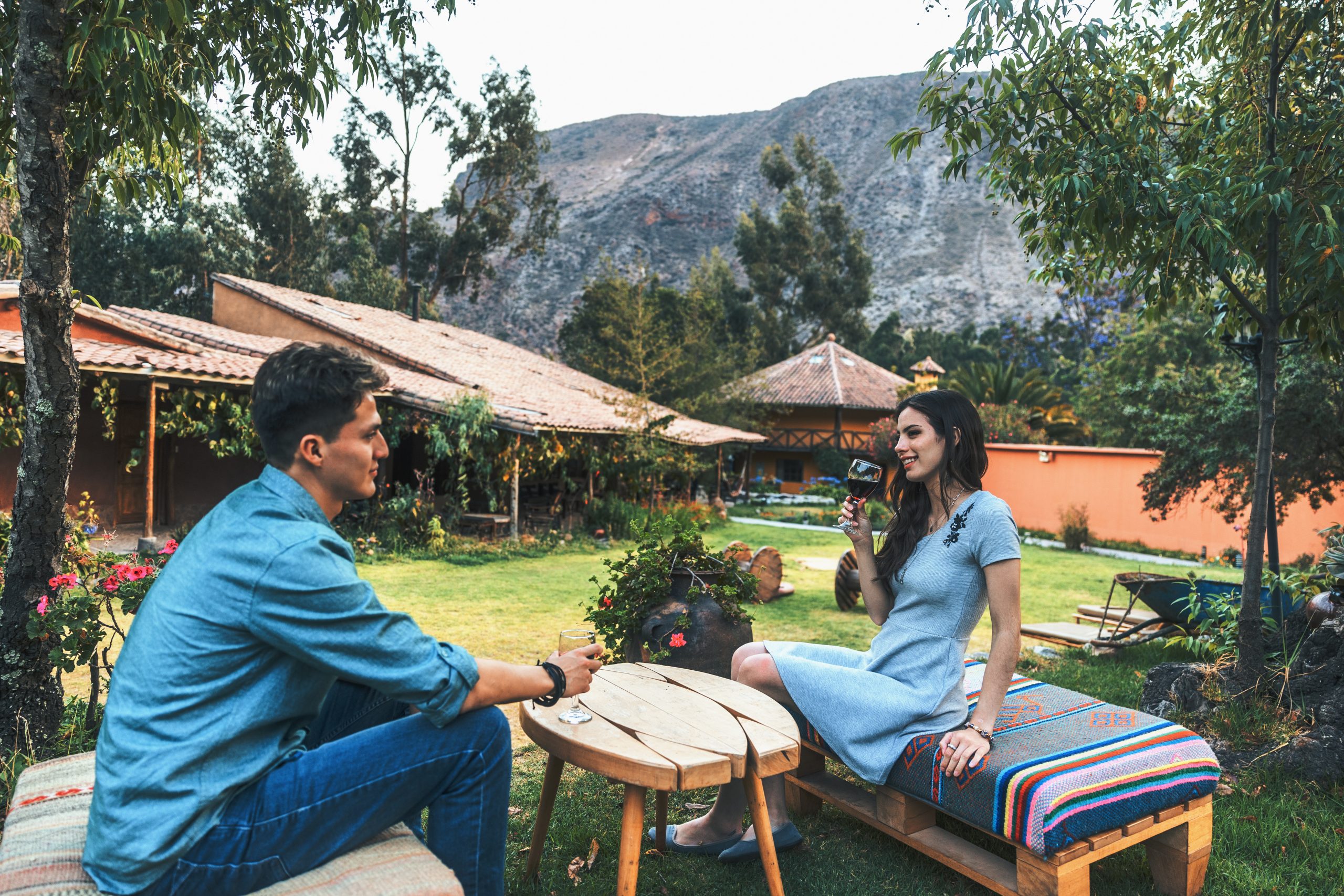
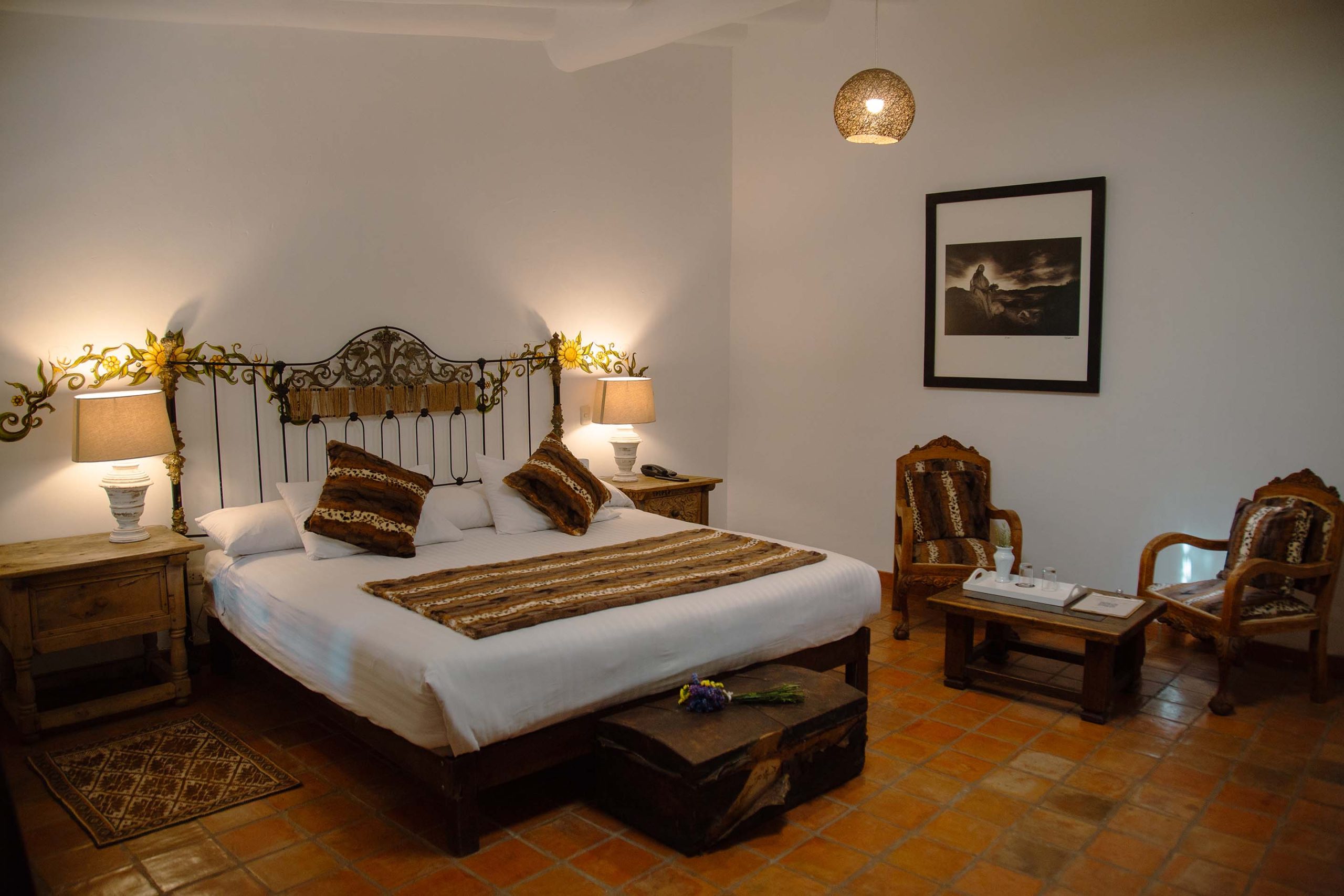
Not all hotels are created equal for stargazing, so plan ahead and book a hotel in the Sacred Valley that enhances, not limits, your night experience.
Astrotourism in Cusco, especially in the Sacred Valley, is more than just looking up at the stars—it’s a journey into ancient wisdom, natural beauty, and personal reflection. A starry night in the Andes allows you to see the universe with fresh eyes and feel deeply connected to something greater.
Whether you’re seeking a peaceful evening, an astronomy class, or a photography challenge, the Sacred Valley skies are ready to surprise and inspire you.
If you’re planning your visit, make sure to book a hotel in the Sacred Valley that supports stargazing and offers a comfortable base for your nighttime adventure. The stars are waiting.
This article is also available in Spanish: Astroturismo en el Valle Sagrado: vive una noche estrellada en los Andes.