
Some destinations are remembered for their landscapes, while others stand out for their cuisine. Cusco offers the best of both worlds. Here, every dish tells a story that begins long before it reaches the table—it starts in the fields of the Sacred Valley, in traditional markets, family kitchens, and ancient cooking techniques passed down through generations.
That’s why gastronomic tourism in Cusco is much more than trying a list of local dishes. It’s about discovering how food reflects the identity of a region, the relationship between its people and nature, and the cultural richness that defines the Peruvian Andes.
If you’re the kind of traveler who loves exploring a destination through its flavors, this guide highlights some of the culinary experiences you shouldn’t miss during your visit to Cusco and the Sacred Valley.
Cusco’s Cuisine Begins with the Land
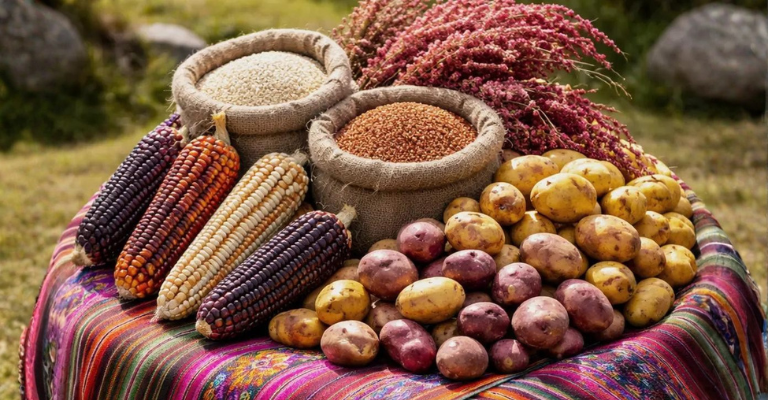
Cusco’s culinary tradition starts long before a chef lights the stove. Its roots lie in a privileged landscape where multiple ecological zones create ideal conditions for cultivating an incredible variety of ingredients.
Within just a few miles, you’ll find hundreds of native potato varieties, colorful corn, quinoa, tarwi (Andean lupin), fava beans, oca, mashua, and a wide selection of aromatic herbs that have been used in Andean cooking for centuries. Add to that iconic ingredients such as Maras salt, harvested from centuries-old salt ponds that are still in use today.
In the Andean worldview, food also represents a relationship of reciprocity with nature. Every harvest follows the agricultural calendar, and many traditional recipes begin by honoring Pachamama (Mother Earth), recognizing that the land not only provides food but also sustains the communities that call it home.
This deep connection between land, agriculture, and cuisine is one of the reasons why Cusco’s gastronomy is so unique.
San Pedro Market: Where the Real Culinary Journey Begins
If there’s one place where you can truly understand Cusco’s cuisine before tasting a single dish, it’s San Pedro Market.
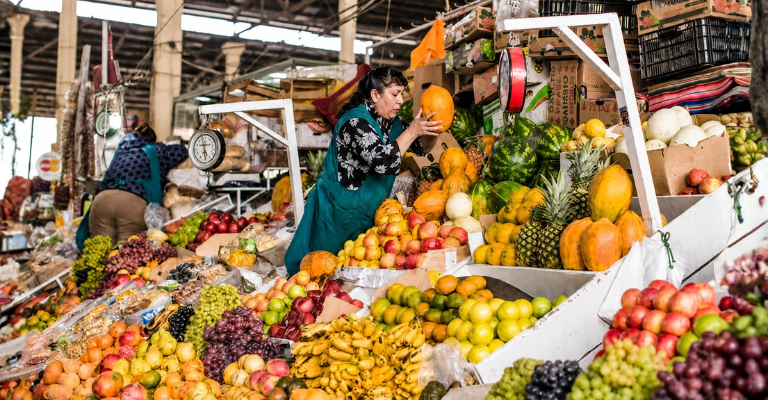
From early morning, its aisles come alive with fruits from the Amazon, freshly baked bread, artisan cheeses, medicinal herbs, Andean spices, and freshly squeezed juices. It’s also the perfect place to enjoy Cusco’s everyday cuisine: traditional breakfasts, comforting soups, and homemade meals prepared just as locals have enjoyed them for generations—far from the gourmet interpretations found in many restaurants.
Beyond shopping for souvenirs or local ingredients, wandering through the market offers a glimpse into everyday life in Cusco. You can chat with vendors whose families have worked there for generations and discover flavors, aromas, and ingredients that are rarely found outside Peru.
It’s the perfect place for travelers who enjoy photographing local markets, learning about regional ingredients, or simply immersing themselves in one of Cusco’s most authentic cultural spaces, where food remains an essential part of daily life.
If you’d like to learn more before your visit, read our complete guide to San Pedro Market in Cusco.
Towns Where Every Stop Has Its Own Flavor
One of the best ways to experience the cuisine of the Sacred Valley is by leaving the city behind and visiting the small towns where local specialties have become part of each community’s identity.
Lamay: The Capital of Guinea Pig Cuisine
Known by many as the capital of guinea pig cuisine in the Sacred Valley, Lamay is a must-visit for anyone interested in one of the most iconic ingredients of Andean gastronomy.
Here you’ll find several traditional preparations, including oven-roasted guinea pig (cuy al horno), rotisserie-style guinea pig (cuy al palo), crispy fried guinea pig (cuy chactado), pachacuy—a guinea pig version inspired by the traditional pachamanca—and pepían de cuy, along with many other regional specialties.
Beyond its cultural importance, guinea pig meat is appreciated for being high in protein and naturally lean. Its nutritional value also depends on how it is prepared, with roasted or baked versions offering a lighter alternative to fried dishes.
Saylla and Its Famous Chicharrón
Just a few miles from Cusco lies Saylla, a town famous for its traditional chicharrón restaurants. For decades, locals and travelers alike have stopped here to enjoy one of the region’s favorite breakfasts or lunches.
Its signature dish is crispy pork served with boiled corn, potatoes, and salsa criolla. More than just a meal, stopping in Saylla has become part of the travel experience itself.
Trout Farms of the Sacred Valley
Thanks to the cold, crystal-clear waters flowing from the Andes, the Sacred Valley is home to numerous trout farms, particularly around Urubamba and Calca, where visitors can enjoy freshly prepared trout.
One of the most popular experiences is catching your own trout and having it cooked just minutes later by the restaurant. Depending on the location, you can choose from several traditional preparations, including fried trout, trout ceviche, trout stew (sudado), or breaded trout, all served alongside local side dishes with stunning mountain views.
More than just lunch, it’s an experience that combines nature, gastronomy, and the peaceful atmosphere of the Sacred Valley.
Pachamanca and Huatia: Cooking with the Earth
If there are two culinary traditions that perfectly capture the relationship between Andean cuisine and nature, they are pachamanca and huatia.
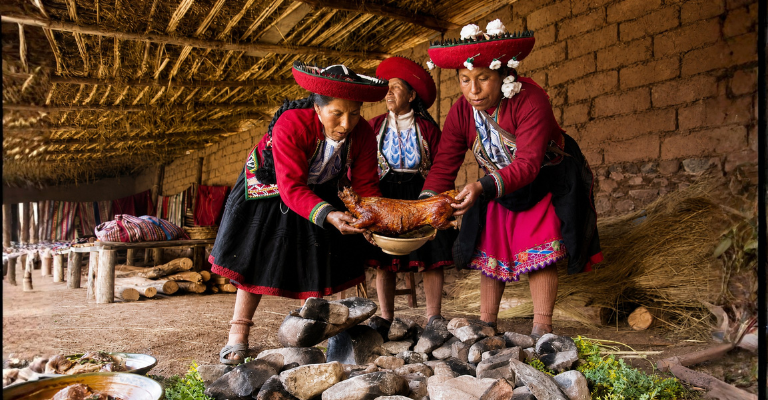
Pachamanca is an ancient cooking technique in which meat, potatoes, fava beans, sweet potatoes, and other ingredients are cooked underground using stones heated over an open fire. Traditionally prepared for family gatherings, festivals, and community celebrations, the cooking process is just as meaningful as sharing the meal itself.
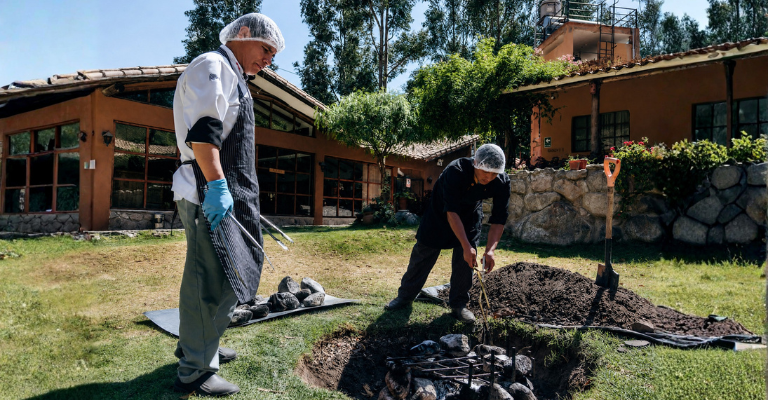
Huatia, on the other hand, is another ancestral cooking technique that uses a temporary oven built from compacted earth. It can only be prepared during the dry season, when the soil is firm enough to construct the oven and retain the heat needed to cook freshly harvested potatoes beneath the earth. More than a cooking method, huatia celebrates rural life and the deep connection between Andean communities and the land.
At Andean Wings Valley, we believe these traditions are best experienced firsthand. We offer pachamanca experiences year-round by prior reservation, and during the appropriate season, guests can also participate in an authentic huatia, available only when weather and soil conditions make it possible.
If you’d like to learn more about the history and symbolism behind this tradition, explore our complete guide to Pachamanca in the Sacred Valley.
Picanterías: Where Traditional Cuisine Lives On
Beyond contemporary restaurants, there are places where Cusco’s culinary traditions continue to thrive: picanterías.
These traditional eateries prepare homemade dishes based on recipes passed down through generations. Many offer daily rotating menus accompanied by chicha de jora, Peru’s traditional fermented corn beverage, and seasonal specialties made with locally sourced ingredients.
More than restaurants, picanterías are gathering places where families, farmers, workers, and travelers come together to share meals, stories, and traditions that remain an important part of Peru’s culinary heritage.
For anyone looking to experience authentic local cuisine, visiting a picantería can be just as rewarding as exploring an archaeological site.
More Than a Restaurant: Culinary Experiences in the Sacred Valley
Food can also become a personalized experience designed around your journey.
At Andean Wings Valley, we organize private culinary experiences for travelers seeking a deeper connection with Andean gastronomy, including:
- Traditional pachamancas.
- Seasonal huatia experiences.
- Barbecues and Caja China feasts for celebrations and groups.
- Peruvian cooking classes where participants learn about local ingredients, traditional techniques, and regional recipes.
These experiences can be tailored for couples, families, private groups, or corporate events, making gastronomy one of the highlights of any stay.
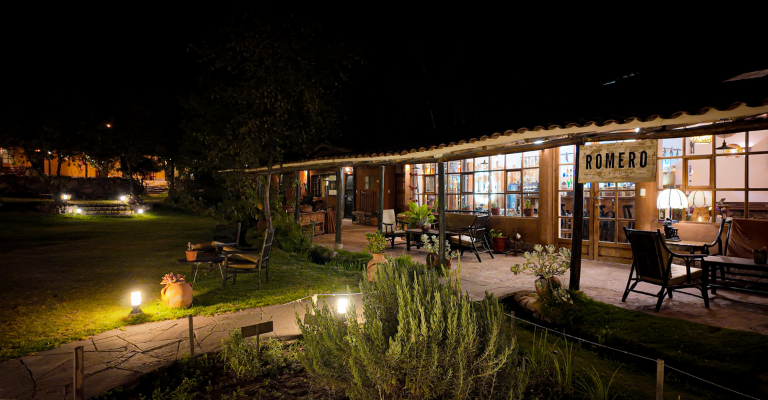
To complement these experiences, Romero Osteria, our on-site restaurant, offers an Italian-Peruvian concept that blends Italian culinary traditions with fresh Peruvian ingredients. Alongside its signature dishes, you’ll also find classic Peruvian specialties prepared with seasonal local products—perfect for enjoying exceptional cuisine without booking a private culinary experience.
Interested in combining gastronomy with other unforgettable experiences in the Sacred Valley? Discover everything you can enjoy at Andean Wings Valley and book your stay directly to enjoy exclusive offers.
What If You Prefer a Plant-Based Diet?
While traditional Cusco cuisine features many meat-based dishes, the city’s dining scene has evolved significantly in recent years.
Today, you’ll find outstanding vegetarian and vegan restaurants reimagining Andean ingredients such as quinoa, tarwi, native potatoes, mushrooms, and a wide variety of local vegetables to create modern interpretations of Peruvian cuisine.
This diversity shows that gastronomic tourism in Cusco can be enjoyed regardless of your dietary preferences, while still connecting with the authentic flavors of the region.
Discovering Cusco Also Means Gathering Around the Table
Traveling through Cusco is about much more than visiting Machu Picchu or exploring the Sacred Valley. It also means discovering stories shared in family kitchens, traditional markets, neighborhood picanterías, and around a freshly prepared pachamanca.
The most memorable meal of a journey isn’t always the most famous one. Often, it’s the one enjoyed at just the right moment, prepared by people who have known the land for generations and shared around a table where stories, traditions, and ways of life are passed on.
If you’d like to experience the Sacred Valley through its cuisine, Andean Wings Valley offers authentic culinary experiences that combine tradition, local ingredients, and warm hospitality. Whether you choose to dine at Romero Osteria, participate in a pachamanca, enjoy a seasonal huatia, join a Peruvian cooking class, or book a private gastronomic experience, every moment is designed to bring you closer to the culinary soul of the Andes.
Book your stay at Andean Wings Valley and start planning your gastronomic journey in the heart of the Sacred Valley.