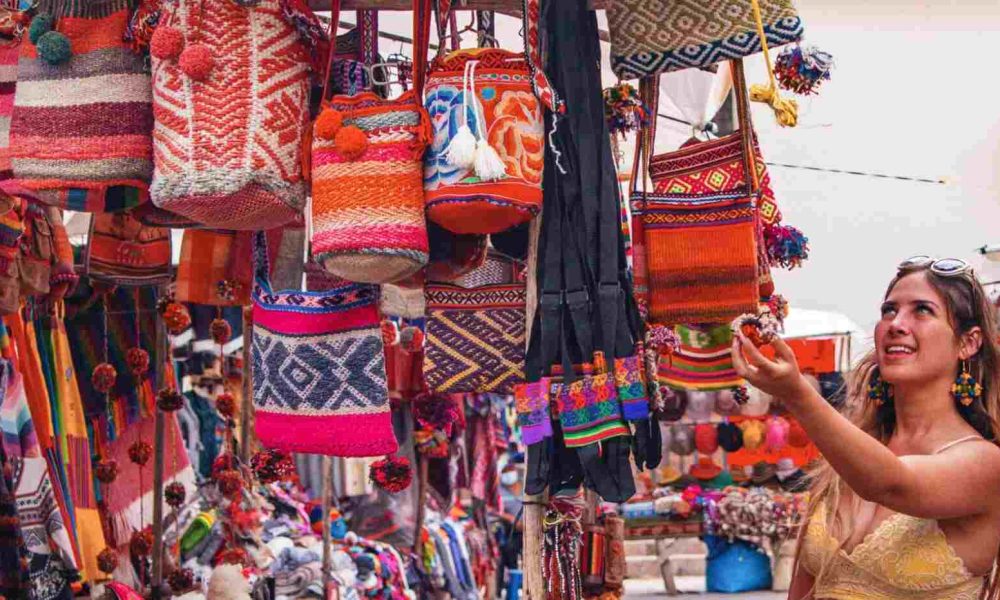
Visiting the Pisac Market is like stepping into a mosaic of colors, aromas, and living traditions from the Sacred Valley of the Incas. Located less than an hour from Cusco, this artisan hub blends history, gastronomy, and culture in a single visit. Staying at a hotel in the Sacred Valley will allow you to arrive early before the market reaches its busiest point and enjoy the experience calmly and intimately.

What Is the Pisac Market?
Also known as the Pisac fair, this market operates daily but truly comes alive on Sundays, when local communities gather to sell agricultural and handcrafted goods. Its origins date back to colonial times when Pisac was a key trading point between Quechua people and Spanish colonizers. Today, it attracts travelers from around the world seeking authentic handmade pieces and traditional Andean flavors.





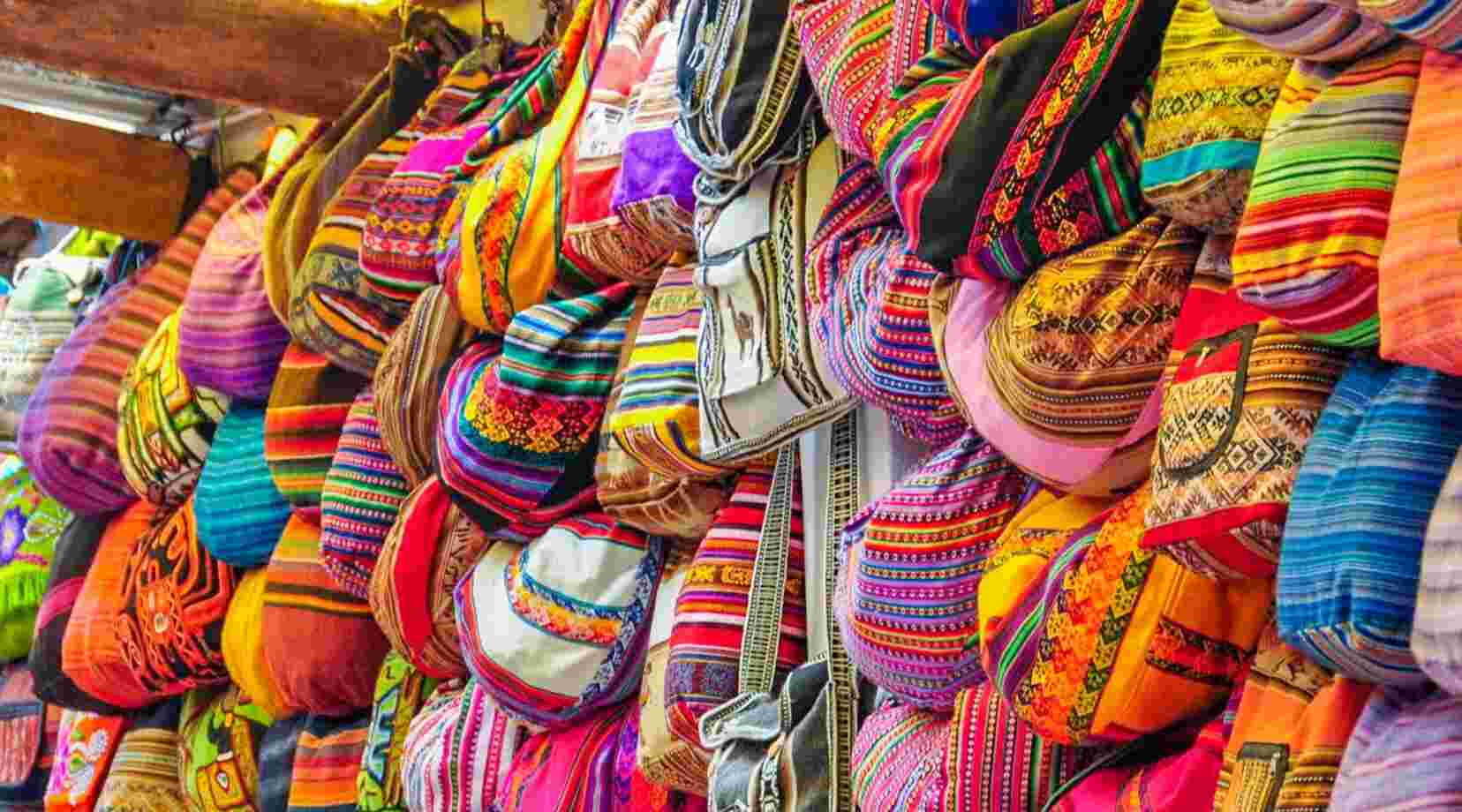
Traditional Crafts and Textiles
The highlight of the Pisac artisan market is its alpaca and sheep wool textiles, crafted using ancestral techniques:
- Ponchos and blankets: Dyed in natural tones with geometric designs.
- Sweaters and scarves: A blend of alpaca wool and synthetic fibers for durability.
Fine embroidery: Incan symbols, patterns, and floral motifs that tell local stories.
Tip: To ensure you’re buying genuine alpaca wool, ask the artisan about the difference between “baby alpaca” and synthetic blends.
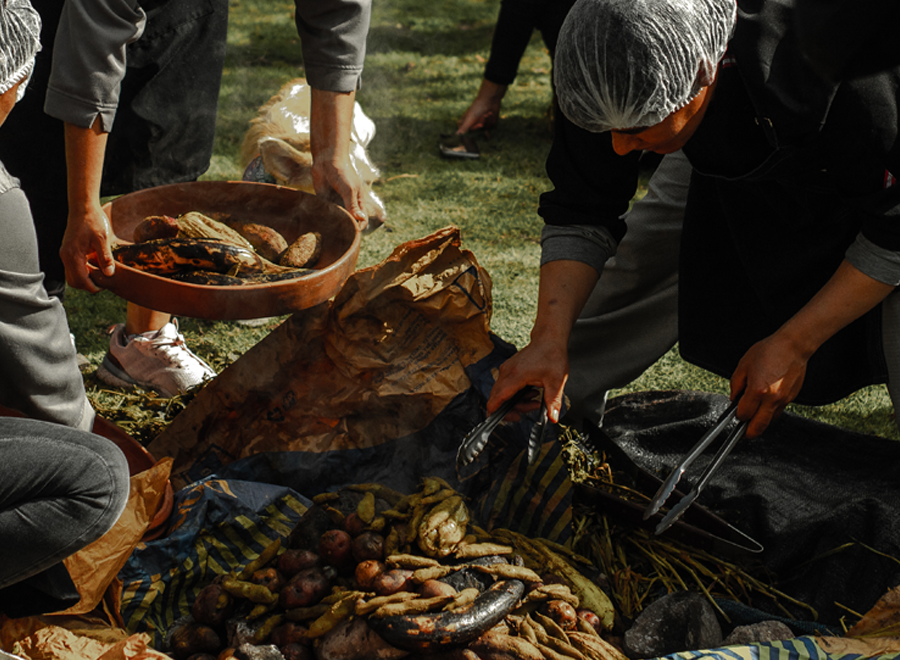
Agricultural Products and Local Food
Nothing captures the identity of the Pisac Market better than its food section:
- Andean fruits and tubers: Native potatoes, oca, mashua, and sweet potatoes.
- Wide variety of corn and quinoa: Ranging in color from purple to white.
- Fresh sheep and goat cheese: A must for a traditional local breakfast.
Must-Try Street Food
- Clay oven-baked empanadas stuffed with cheese or chicken.
- Purple corn tamales with raisins and caramel.
- Chicha de jora: A lightly fermented alcoholic drink.
Cusco Jewelry and Ceramics
- 950 silver: Earrings and necklaces inspired by the Chakana (Andean Cross).
- Semi-precious stones: Spondylus, turquoise, and obsidian, hand-inlaid.
- Pisac ceramics: Plates and cups painted with Incan iconography—perfect long-lasting souvenirs.
When Is the Best Time to Visit the Pisac Market?
- Sunday: The main day with a Quechua mass and procession before stalls open.
- Tuesdays and Thursdays: Fewer visitors—ideal for crowd-free photography.
- Early mornings (08:00–10:00): Better light, lower prices, and artisans more willing to share their craft.
Tips for Shopping at Pisac Market
- Bargain respectfully: These are artisans, not wholesalers.
- Bring cash in soles: Few vendors accept cards.
- Ask about the story behind each item: It adds cultural and emotional value.
- Verify certifications for alpaca wool and 950 silver when making high-value purchases.
How to Get to Pisac Market from Cusco
- Colectivos: Leave from Puputi Street (S/10, 45 min).
- Tourist bus or organized tour: Includes stops at scenic viewpoints and ruins.
- Private taxi: Ideal for groups and if you want to stop at the Taray viewpoint.
Recommendation: Leave early from your Sacred Valley hotel to arrive before 9:00 AM and enjoy the Pisac Market without crowds.
Pisac Market is more than just a shopping spot—it’s a meeting point between tradition and modernity. Each handcrafted piece holds the essence of the Andes, and every food item tells the story of its land of origin. Plan your visit ahead of time and don’t forget to book a hotel in the Sacred Valley to fully experience the living culture that makes Pisac a must-see gem of Peru.