
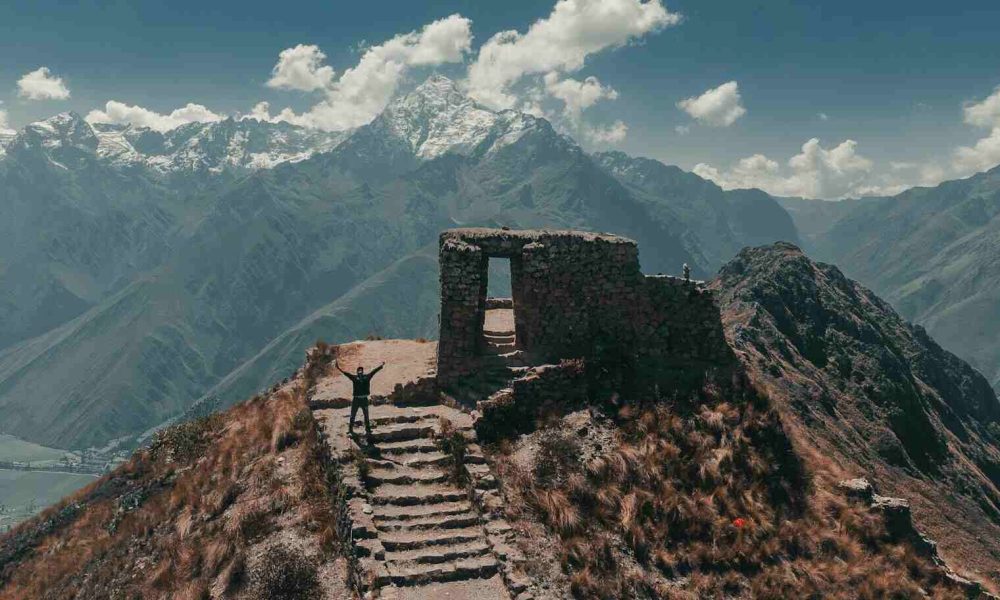
Ollantaytambo Cusco is one of the most iconic archaeological sites in the Andean region. Known for its impressive architecture and its key role in the history of the Inca Empire, Ollantaytambo remains a fascinating place to explore, both for its historical relevance and natural beauty. In addition to being a top tourist destination on tours of Cusco, this site offers a unique experience that transports visitors back to the time of the Incas.
If you’re planning your visit to Cusco, Ollantaytambo is a must-see—full of history, traditions, and breathtaking scenery. And if you’re looking for a cozy and comfortable place to stay, Hotel Andean Wings, located in the Sacred Valley, offers the perfect opportunity to rest after a day of exploring Ollantaytambo’s history and other must-visit sites in Cusco.

¿What Is the History of Ollantaytambo?
Ollantaytambo is known as one of the largest and best-preserved archaeological sites of the Inca Empire. Its history is full of mystery, but also reflects the ingenuity and greatness of Inca civilization. This site was crucial in urban planning as well as in the Incas’ military and spiritual resistance. Discover the fascinating history of Ollantaytambo and how it remains a cornerstone of Andean heritage.
Origin and Development
Ollantaytambo’s history dates back to pre-Inca times. With the rise of the Inca Empire, the site was transformed into a strategic and religious center of great importance. Located in a valley surrounded by mountains, the site was meticulously designed, showcasing the advanced planning of the Inca civilization.
Founding of Ollantaytambo
It is believed that Ollantaytambo was originally a settlement of the Wari culture before being adapted and expanded by the Incas. Its founding and development were driven by Inca Pachacutec, who turned it into a significant military and economic control center. Its strategic location allowed the Incas to defend their empire from potential invasions and to exert control over the region.
Architecture and Urban Planning
Ollantaytambo stands out for its impressive Inca architecture. The site was built with exceptional urban planning, adapted to the terrain’s topography. The agricultural terraces, temples, and plazas of the citadel reflect the complexity of Inca engineering. Furthermore, the hydraulic system developed in Ollantaytambo to distribute water to the agricultural land demonstrates their advanced water management and farming techniques.
Strategic Importance
Ollantaytambo played a crucial role during the height of the Inca Empire due to its geographical location. The site was not only a religious city but also a vital military center for controlling the Sacred Valley and defending against enemies.
Geographical Position in the Inca Empire
Situated between mountains and along the Inca Trail, Ollantaytambo held a privileged position to monitor and protect the region. It became a key communication and trading hub, controlling access to surrounding areas. Its location also facilitated contact with other Inca cities, helping maintain cohesion within the empire.
Ollantaytambo as a Military and Religious Center
Ollantaytambo was not just an administrative city—it was also a military and religious hub. It is said that during religious festivals, rituals and offerings to the sun were held here. In times of war, the city transformed into a fortified stronghold. The famous fortress and its massive terraces show the importance of the site as a heavily protected military city.
Inca Resistance
Ollantaytambo is also known for its role in Inca resistance against Spanish conquerors. It was here that the last Inca, Manco Cápac II, bravely fought the Spanish forces during the conquest.
The Battle of Ollantaytambo
In 1536, Manco Cápac II and his Inca army resisted a siege by Spanish troops at Ollantaytambo. Although the Incas ultimately did not win the battle, their resistance showcased the bravery and determination of the Inca people in defending their land. The fortress played a key role in the battle, as the Incas used its terraces and defensive structures to try to repel the Spanish attack.
Ollantaytambo as a Symbol of Resistance Against the Conquistadors
Today, Ollantaytambo remains a symbol of resistance. The site represents not only a military fortress but also the fighting spirit of the Inca people against the Spanish invasion. It serves as a reminder of the strength and determination of indigenous peoples in defending their identity and culture.
A Living Town
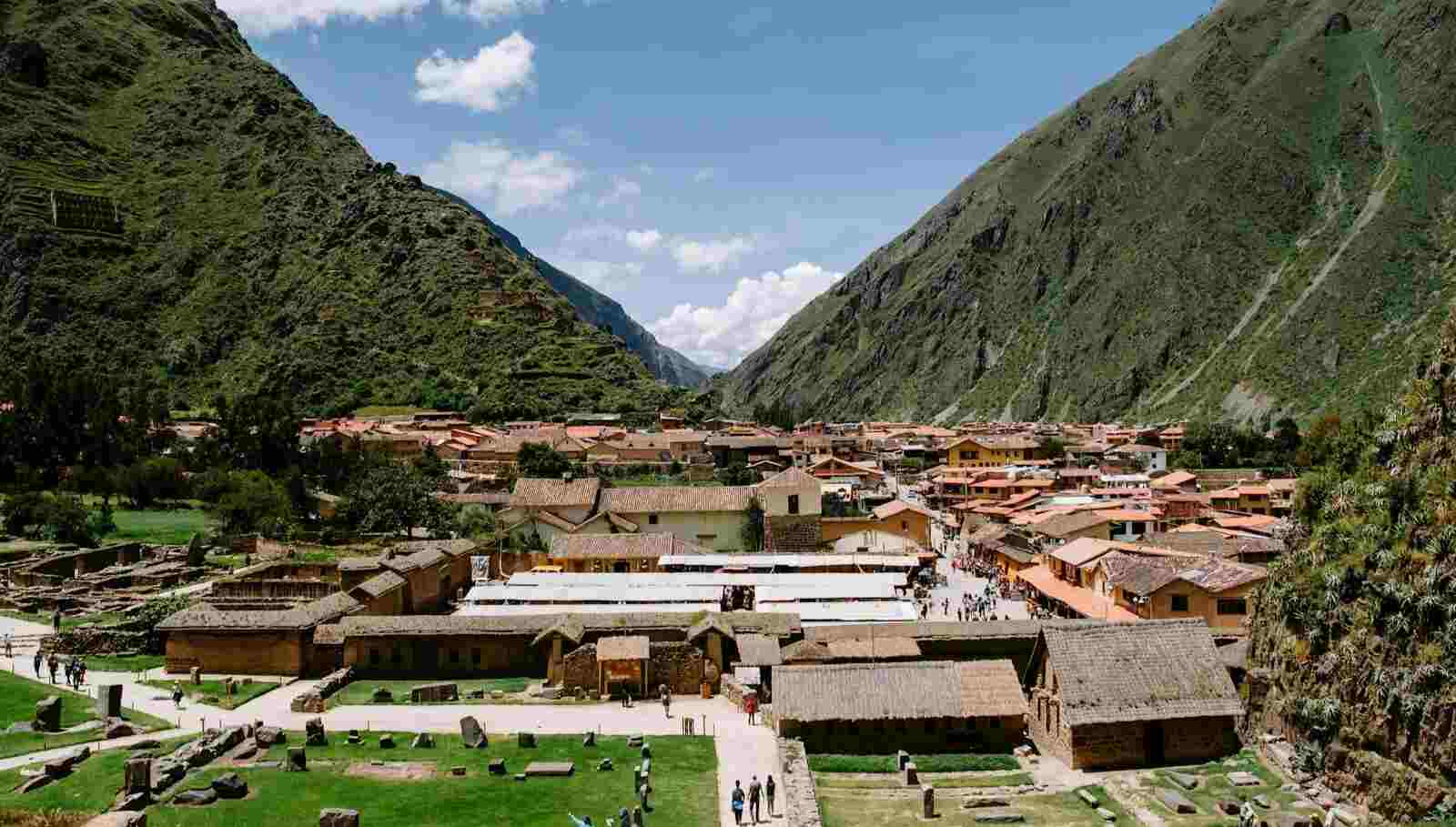
Ollantaytambo is not only an archaeological site—it is also a living town. Its cobblestone streets, adobe houses, and vibrant daily life continue to reflect Inca influence in modern times.
Ollantaytambo Today: Local Traditions and Customs
Despite being a major tourist destination, Ollantaytambo retains its authenticity as a town. Local residents still live on streets originally built by the Incas and continue to practice many customs and traditions passed down over the centuries. Life in the town is calm and genuine, offering visitors an immersive experience in the local culture as they explore the history of Ollantaytambo Cusco.
How to Experience the History of Ollantaytambo Today
Visiting Ollantaytambo is not only a journey to the past—it’s also a present-day cultural experience. You can enjoy walking its historic streets, visiting local markets, or participating in festivals that celebrate the region’s indigenous traditions. Without a doubt, Ollantaytambo offers an immersive experience in both Andean history and daily life.
¿What Is the Altitude of Ollantaytambo?
Ollantaytambo is located at 2,792 meters (9,160 feet) above sea level. While it’s not as high as Cusco, the altitude can still affect some people. If you plan to visit Ollantaytambo, it’s advisable to acclimate in Cusco or the Sacred Valley to enjoy the experience without altitude-related health issues.
Tips for Preparing Your Visit to Ollantaytambo
Visiting Ollantaytambo is a unique experience, but to enjoy it fully, proper preparation is key. Here are a few tips:
Best Time to Visit Ollantaytambo
The best time to visit Ollantaytambo is during the dry season, from April to October. During these months, the weather is more stable and hikes and excursions are more enjoyable. Avoid the rainy season (November to March) if you don’t like challenging weather conditions.
Recommended Clothing and Gear for the Visit
Make sure to wear comfortable, appropriate clothing for walking. Sturdy shoes, lightweight clothing with sun protection, and a jacket for cool evenings are recommended. Don’t forget sunscreen, sunglasses, and a water bottle to stay hydrated.
What to Do and See in Ollantaytambo
Beyond exploring the Inca ruins, don’t miss other attractions in Ollantaytambo, such as the Temple of the Sun, the Pumatallis archaeological site, and the agricultural terraces. You can also enjoy the local market, where you’ll find handicrafts and typical regional products.
The history of Ollantaytambo is fascinating and rich in cultural and natural heritage. This place is not only an important archaeological site but also a refuge where Inca traditions are still alive. If you want to immerse yourself in Andean history and culture, Ollantaytambo Cusco is a destination you can’t miss. After a day exploring the ruins and the town, relax in the comfort and tranquility of Hotel Andean Wings in the Sacred Valley, where you can continue enjoying the wonders of this region.