
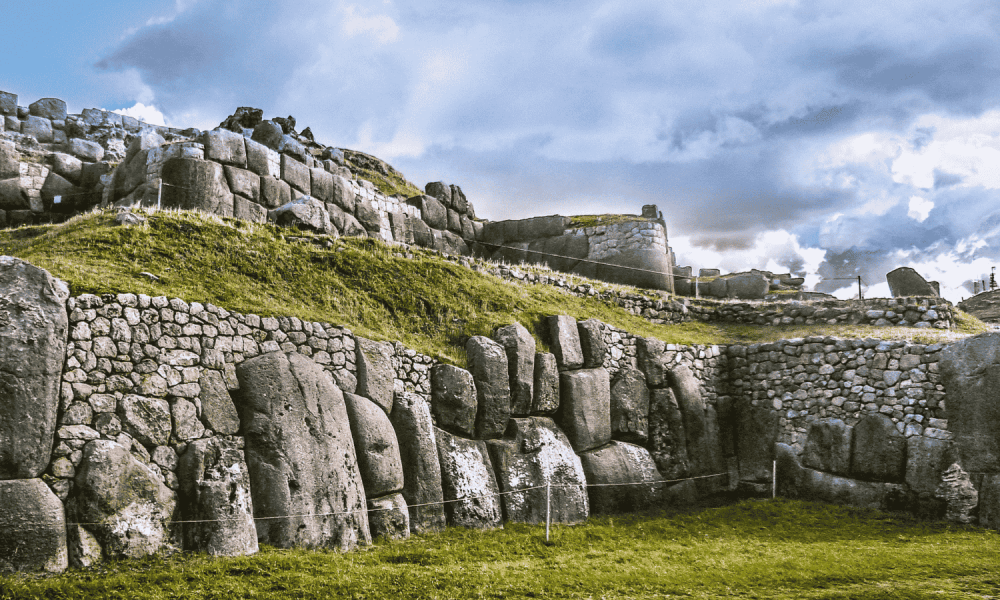
Sacsayhuamán is one of the most emblematic destinations in Cusco, the ancient capital of the Inca Empire. This majestic fortress, located on the heights of the city, is not only an impressive architectural vestige, but also a testimony to the genius of the Inca culture. With its gigantic stones perfectly fitted together and a design that continues to amaze experts and tourists alike, Sacsayhuamán is a place full of history and mystery. Its relevance is not only historical, but it continues to influence modern life in Cusco, linking the past with the present. If you plan to visit this monument, staying at a hotel in Cusco will allow you to comfortably explore both Sacsayhuamán and other nearby historical sites, such as the Plaza de Armas and the Cathedral of Cusco.
What is Sacsayhuamán and why is it one of the wonders of Inca culture?
Sacsayhuamán is a fortress located in the hills above the city of Cusco, Peru. Its construction dates back to the period of the Incas, approximately in the 15th century, under the rule of the emperor Pachacútec. The name “Sacsayhuamán” comes from the Quechua words “sacsay” (to satisfy) and “huamán” (falcon), which could be interpreted as “the place where the falcon is satiated”, referring to its strategic position and the majesty of the site.
History and origin of the Sacsayhuamán Fortress
The history of Sacsayhuamán is deeply intertwined with the history of the Inca Empire. During the reign of Pachacutec, Cusco was expanded and fortified, and Sacsayhuamán was erected as one of the most important defensive pillars of the empire. Although the fortress never actively fulfilled a defensive role during the Spanish invasion, its size and structure continue to amaze those who visit it.
The purpose and strategic importance of Sacsayhuamán
Beyond its defensive aspect, Sacsayhuamán had a symbolic and ceremonial function. The fortress served as a meeting point between the different peoples of the empire and as a place to represent the strength of the Inca. In addition, its strategic location in the heights of Cusco allowed visual control over the city and its surroundings, giving it additional military value.
Sacsayhuamán and its connection to the Plaza de Armas of Cusco
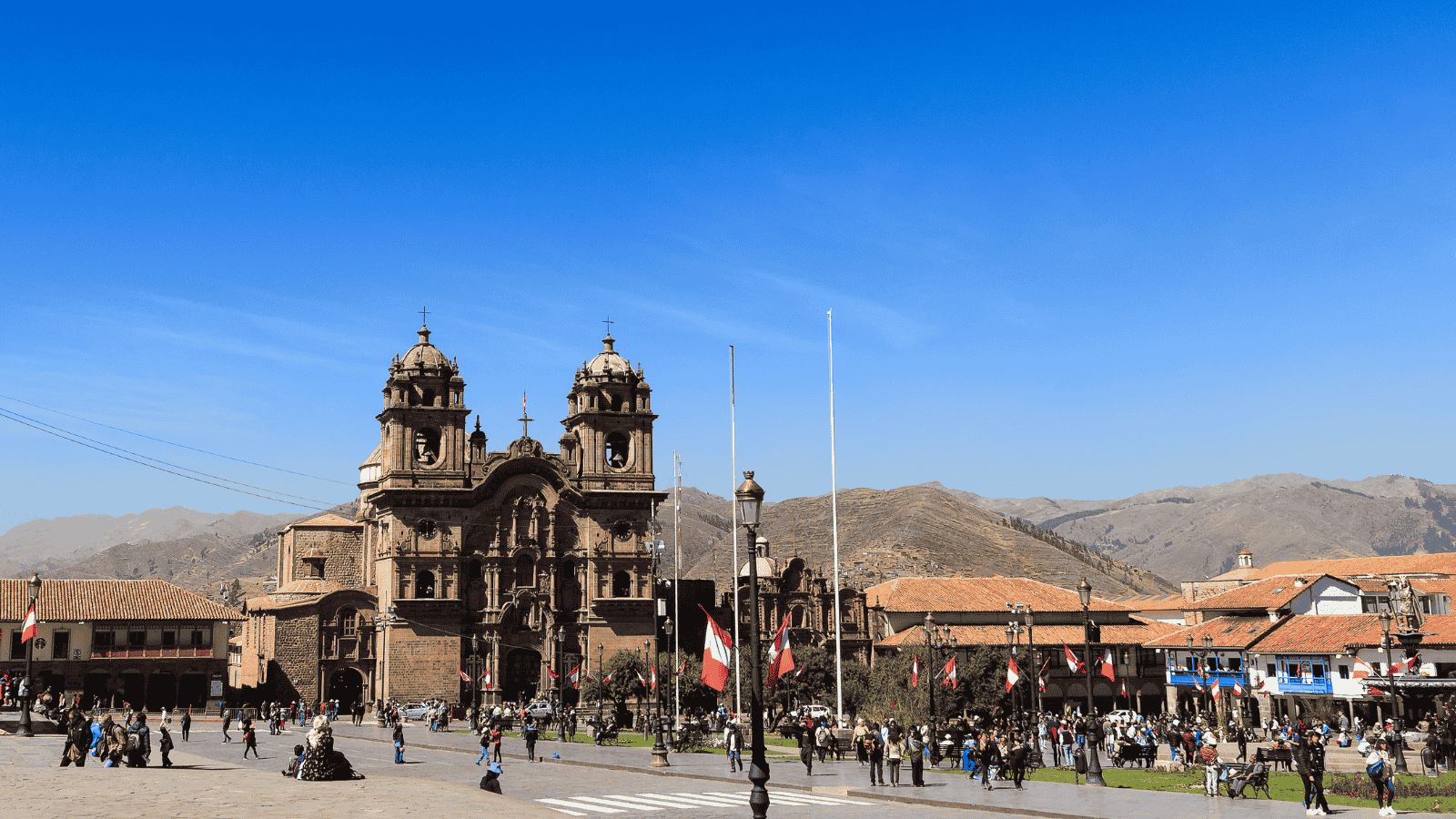
One of the most interesting aspects of Sacsayhuamán is its relationship with the Plaza de Armas of Cusco, the heart of modern Cusco. Although Sacsayhuamán is located a few kilometers from the square, its presence is fundamental to understanding the development and organization of the city. After exploring this historic site, the hotels in Cusco Peru offer a perfect place to rest and continue your discovery of this city full of history and culture.
How Sacsayhuamán influences the Plaza de Armas of Cusco
The Plaza de Armas is the historic center of Cusco, where important festivities are held, and its layout has a direct connection to Inca urban design. The Sacsayhuamán fortress, located in the upper part of the city, was part of an architectural system that aligned key points in Cusco, creating a kind of “cosmovision” of the Inca Empire. The connection between these places is not only geographical, but also cultural, as both were the center of the ceremonial and political life of the Empire.
The relationship between the Plaza de Armas in Cusco and the Inca monuments
The Plaza de Armas not only houses colonial architecture, such as the Cathedral of Cusco, but is also surrounded by vestiges of ancient Inca Cusco. The monuments and the roads that led from Sacsayhuamán to the Plaza de Armas are part of an integral system of order and balance, characteristic of the Inca culture.
Cusco Cathedral: A contrast between Inca culture and Spanish colonization
Although the Plaza de Armas in Cusco retains much of its Inca heritage, the Cathedral of Cusco is a clear example of how Spanish culture influenced the city after the arrival of the conquistadors. The colonial building, which stands in the center of the square, is a symbol of the meeting of two very different worlds: the Inca and the European.
The colonial influence in Cusco and its impact on the Cathedral
Cusco Cathedral was built on the site of the former palace of the Inca Viracocha, using stones from the ruins of Sacsayhuamán and other nearby Inca sites. This not only represents the transformation of the city, but also the way in which the colonizers used and, in some cases, destroyed Inca monuments to construct their own religious buildings.
The legacy of Inca culture in the architecture of Cusco Cathedral
Despite colonization, the Cathedral of Cusco retains traces of Inca influence in its architecture. The shape of the building, with its thick walls and imposing structures, is reminiscent of the solidity of Inca designs, although adapted to the new architectural forms of the European Renaissance. This mixture of influences is one of the aspects that makes the Cathedral of Cusco a symbol of cultural syncretism.
Sacsayhuamán Fortress: A symbol of Inca engineering
The grandeur of Sacsayhuamán is not only reflected in its history and location, but also in its impressive construction techniques. The enormous stones that make up the fortress walls have baffled archaeologists and engineers for centuries.
Construction techniques and giant stones at Sacsayhuamán
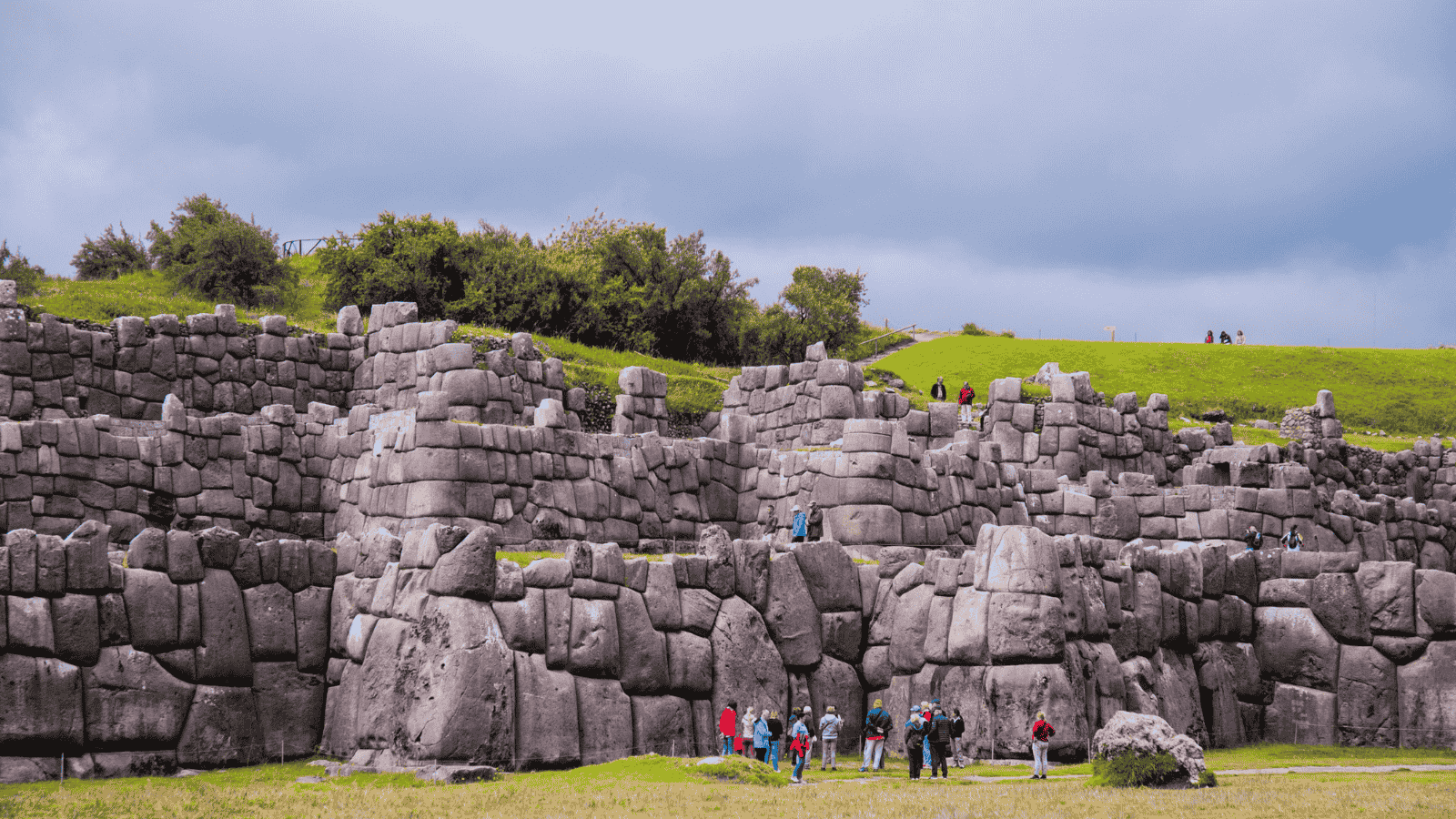
One of the most surprising features of Sacsayhuamán are its enormous stones, some of which weigh more than 100 tons. The precision with which these stones were cut and assembled, without the use of mortar, is a testament to advanced Inca engineering. It is believed that the Incas used advanced stone carving and working techniques, which allowed them to achieve a perfect fit between the stones.
The mystery of the placement of the Sacsayhuamán stones
Despite the technological advances of the Incas, the exact process of how the stones were placed remains a mystery. Some experts suggest that the Incas used simple tools and pulley systems to move the huge stones, while others think they could have used some kind of “vibration” to fit the stones together with such precision.
Tips for visiting Sacsayhuamán and exploring the surroundings of Cusco
If you plan to visit Sacsayhuamán and explore the area around Cusco, here are some practical tips to make your experience as enriching as possible.
Best time to visit Sacsayhuamán
The best time to visit Sacsayhuamán is during the dry season, which runs from May to September. During these months, rainfall is minimal, allowing you to enjoy the views without interruption.
What to do near Sacsayhuamán: Tourism in Cusco
In addition to Sacsayhuamán, Cusco offers a wide variety of activities and places to explore. Don’t miss the Plaza de Armas, the Cathedral of Cusco, the Qorikancha, and the San Pedro market, where you can experience local culture at its best.
Sacsayhuamán and the Inca culture: What does it teach us about the Incas?
Sacsayhuamán is not just a fortress; it is a representation of the grandeur of the Inca culture. The legacy of this civilization is still alive, not only in its monuments, but also in its way of conceiving the world and life.
The cultural legacy of Sacsayhuamán today
Sacsayhuamán continues to be a symbol of the power and wisdom of the Incas. Through its conservation, future generations will be able to learn more about the Inca culture, its architecture and its social organization.
The relevance of Sacsayhuamán in tourism and the preservation of the Inca culture
Sacsayhuamán plays a fundamental role in the preservation of Inca culture. As one of the main tourist attractions in Cusco, its conservation ensures that the legacy of the Incas continues to be appreciated by travelers from all over the world, contributing to the understanding of and respect for this ancient civilization.
Conclusion
Sacsayhuamán is more than a fortress; it is a symbol of the cultural wealth and engineering of the Inca civilization. Its history, impressive architecture and connection with other important monuments in Cusco make it one of the most fascinating destinations in Peru. Visiting this site is not just about exploring the ruins of a lost empire, but also discovering the soul of a culture that is still relevant today. After touring this impressive monument, a hotel in Cusco offers the ideal rest to reflect on the greatness of the Inca heritage.